
Assessment
Dr. Reznikov reviews your training history, prior injuries, and recovery goals.

Recovery, performance support and injury prevention for active people
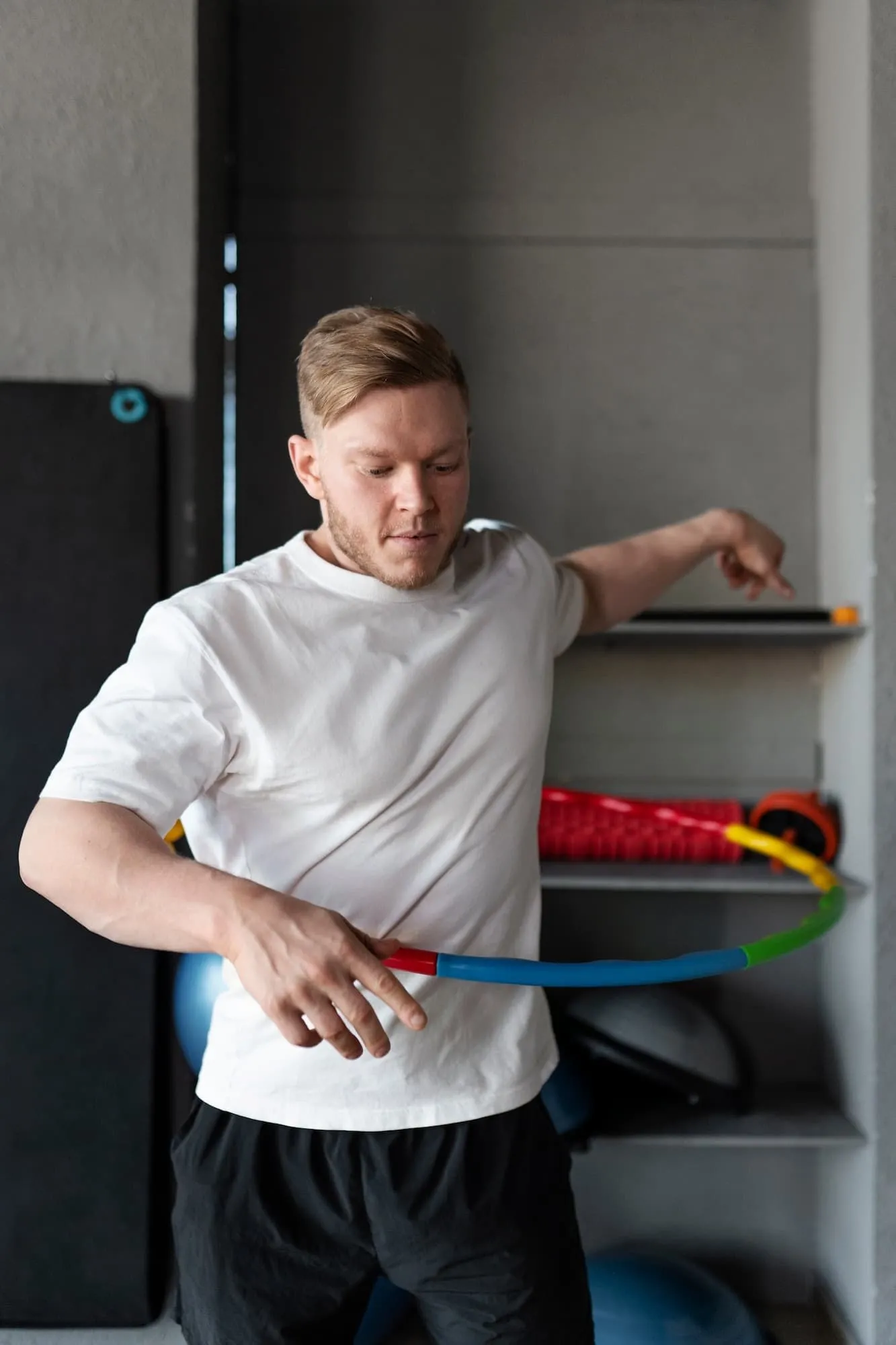
Recovery is where adaptation happens
Incomplete recovery between training sessions quietly stalls progress. Lingering muscle fatigue, subtle imbalances, a weak core, and poor neuromuscular control compound across weeks of training, leaving you fatigued, less responsive, and one awkward movement away from a strain. Many active adults in Reisterstown, Owings Mills, Pikesville and the surrounding Baltimore and Carroll counties push through these symptoms, only to find performance plateaus and recurring tightness that foam rolling and stretching alone cannot resolve.
Targeted recovery uses non-invasive technology to do what self-directed recovery cannot. Neuromuscular activation re-engages underused muscle groups, functional muscle therapy rebuilds the connection between motor units and movement, and core strength restoration shores up the foundation that protects your spine and joints. Guided by a physiatrist who understands both injury and performance, your plan addresses the specific gaps that limit your sport and elevates everything you do in training.

Non-invasive, technology-driven recovery
Sports recovery therapies at Pain Treatment Center of Maryland combine non-invasive equipment, physiatrist-guided protocols, and diagnostic integration into a single program built for athletes and active adults. Rather than a passive treatment, recovery here is an active reconditioning process that restores muscle function, addresses imbalances, and protects against re-injury. The approach is rooted in published rehabilitation science and the FDA-cleared Emsculpt Neo platform from BTL.
Neuromuscular activation is the central concept. After injury, fatigue or simple disuse, motor units can become less efficient at recruiting the muscle fibers they control. High-Intensity Focused Electromagnetic technology, or HIFEM+, delivers supramaximal muscle contractions that voluntary effort cannot match. These contractions retrain motor units, rebuild functional strength, and address the weak links in your kinetic chain. Therapeutic body reconditioning happens session by session as Emsculpt Neo restores muscle quality without surgery, anesthesia or downtime.
Core strength restoration is the second pillar. The Core to Floor protocol pairs Emsculpt Neo for abdominal and gluteal activation with Emsella for pelvic floor strengthening, creating a coordinated foundation that underpins every sport. When clinical clarity is needed, electrodiagnostic testing (EMG/NCS) can characterize muscle and nerve function before or after a training block. For additional evidence on HIFEM, see the National Library of Medicine summaries on PubMed.
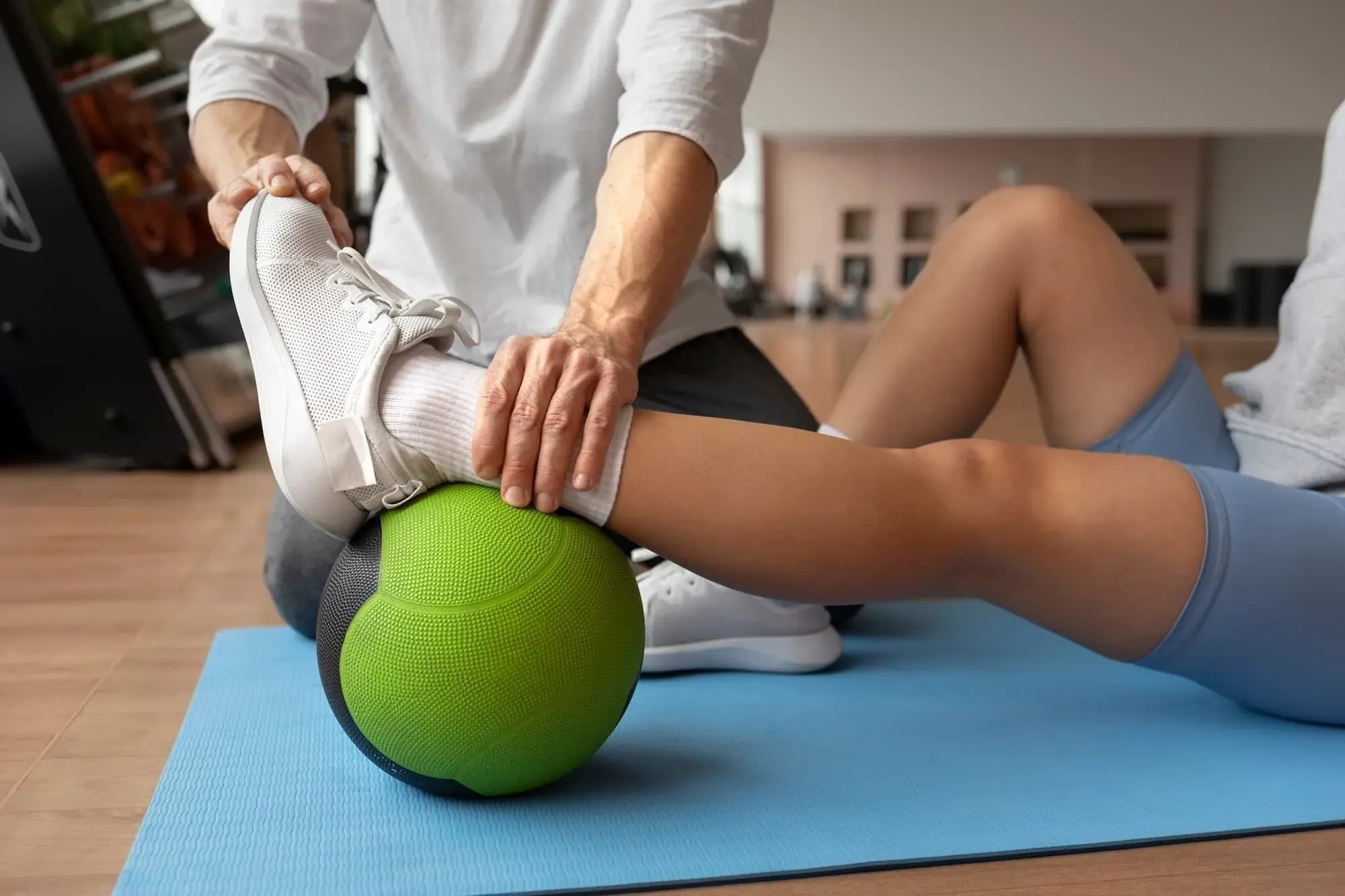
Recover better, perform stronger
Restore muscle function between training sessions and events
Reactivate underperforming muscle groups and motor units
Build foundational stability that protects performance
Address muscle imbalance before it leads to re-injury
Return to training the same day with no recovery off
No injections, no anesthesia, no time off your sport
How clinic-based recovery differs
| Approach | Mechanism | Time Per Session | Session Frequency | Results Timeline | Best Suited For | Limitations |
|---|---|---|---|---|---|---|
| Sports Recovery Therapies at PTCOFMD | Neuromuscular activation plus core stability | 30 minutes | 4-6 sessions then maintenance | 2-4 weeks for early changes | Recovery, performance, prevention | Series commitment required |
| Self-directed recovery | Rest, foam roll, stretch, hydration | Variable | Daily as needed | Highly variable | Mild soreness and general recovery | No targeted neuromuscular reactivation |
| Personal training | Strength and conditioning programming | 60 minutes | 2-3 times weekly | Weeks to months | Performance building and skill work | Does not address neuromuscular gaps |
| Physical therapy | Manual therapy and corrective exercise | 45 minutes | 1-2 times weekly | Weeks to months | Post-injury rehabilitation | Less focused on non-injured optimization |

Recovery support across activity levels
Sports recovery therapies suit active people who want faster between-session recovery, better neuromuscular control, and a measurable reduction in re-injury risk. If you are currently dealing with an unevaluated injury, the better starting point is our sports injury treatment and rehabilitation page, which covers diagnosis and active rehab. For more context on neuromuscular electrical stimulation in rehabilitation, see the National Library of Medicine resource.
Every recovery plan begins with an in-person evaluation so Dr. Reznikov can determine which protocols fit your goals, history and current training load.
Dr. Reznikov reviews your training history, prior injuries, and recovery goals.
Program built around Emsculpt Neo and Core to Floor protocols for your sport.
Four to six 30 minute sessions over two to three weeks at the clinic.
Progress check and adjustment of frequency, area or modality as needed.
One to two sessions per quarter to preserve gains and prevent regression.

Well-tolerated non-invasive technology
Sports recovery therapies use FDA-cleared non-invasive technology with a strong safety profile. The most common after-effects are temporary muscle soreness similar to a vigorous workout, fatigue in the treated muscle group, and mild redness or warmth in the treatment area. These typically resolve within 24 to 48 hours. Less common effects include transient muscle spasm, tendon or joint tenderness, or short-lived tingling.
Because Emsculpt Neo combines HIFEM+ with synchronized radiofrequency, contraindications include implanted electronic devices such as pacemakers or implanted defibrillators, significant metal implants in the treatment area, pregnancy, active malignancy in the treatment area, hernias in the target zone, and copper IUDs when treating the abdomen. Patients with active skin infection at the treatment site should defer until the skin has healed.
At your consultation, Dr. Reznikov reviews your full medical history, medications, training load, and any relevant imaging or diagnostics to confirm that sports recovery therapies are appropriate and safe for you. Additional information on aesthetic and rehabilitation device safety is available from the U.S. Food and Drug Administration.
Sports recovery therapy pricing varies based on the modality, the number of areas treated, and the length of your series. Single sessions are available, though most athletes commit to a series of four to six sessions for the strongest neuromuscular and core stability outcomes.
Commercial insurance does not typically cover the recovery and performance use of these devices. Medically necessary applications may be considered case by case. Health Savings Account (HSA) and Flexible Spending Account (FSA) funds may apply where allowed by your plan.
Flexible financing through partners such as CareCredit and Cherry may be available; current financing options will be confirmed during your consultation.
Call (410) 833-1011 or book a consultation online to receive a personalized recovery quote at Pain Treatment Center of Maryland in Reisterstown.

Physician-led recovery medicine
Dual fellowship training in spine and sports medicine
EMG/NCS available to clarify nerve and muscle issues
Emsculpt Neo and Core to Floor protocols on site
Tailored recovery plans built around your sport and goals
Continue building your recovery and performance plan.
Common questions from athletes and active adults
Sports recovery therapies are designed for active or non-injured patients focused on faster recovery, performance support and prevention. The sports injury treatment and rehabilitation page is for an active or recent injury that needs diagnosis, treatment and a structured rehab plan.
Most athletes complete four to six 30 minute sessions over two to three weeks, followed by one to two maintenance sessions per quarter. Dr. Reznikov tailors the exact series to your sport, training load and goals.
Yes. There is no downtime. Many athletes schedule a session before or after a training day. Mild post-workout soreness for 24 to 48 hours is normal and does not require a rest day.
Commercial insurance does not typically cover recovery or performance use of these devices. HSA and FSA funds may apply, and financing through partners such as CareCredit and Cherry can make a series more accessible. We confirm current options at consultation.
Many athletes report better between-session recovery and reduced muscle tightness within the first two weeks. Measurable strength and core stability gains are typically visible by week four to six of a structured series.
Yes. Healthy older adults focused on mobility, strength and longevity are excellent candidates. Dr. Reznikov reviews medical history, medications and any implants to confirm safety before starting.
Acute or unevaluated injuries should be diagnosed first. The right starting point is our sports injury treatment and rehabilitation service, which combines clinical evaluation, imaging if needed, and a structured rehab plan. Recovery therapies can then bridge you back to full activity.