
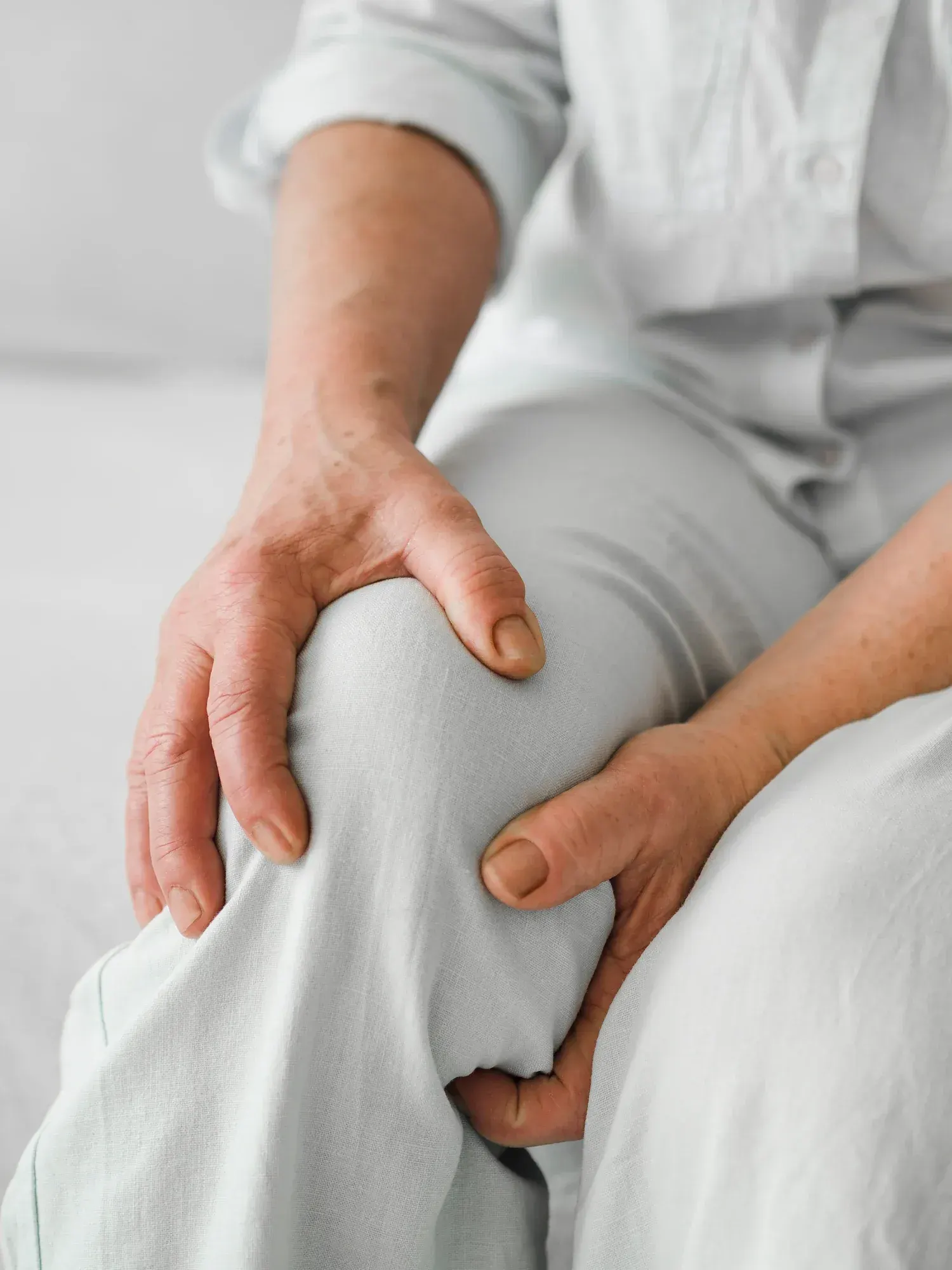
The knee joint relies on a smooth layer of articular cartilage, approximately 2-4 millimeters thick, to cushion and distribute load across the femur and tibia. In a healthy knee, this cartilage absorbs roughly 2.5 times your body weight with every step. When cartilage begins to thin or degrade, bone surfaces interact with increasing friction, triggering inflammation and pain.
As cartilage deteriorates, the body compensates by producing excess synovial fluid, leading to swelling and stiffness. Bone spurs (osteophytes) may form along joint margins in an attempt to redistribute pressure, but these bony projections often impinge on surrounding soft tissues, further amplifying pain signals.
The menisci, two crescent-shaped cartilage pads that act as shock absorbers, also lose hydration and resilience with age and repetitive stress. When meniscal tissue frays or tears, mechanical catching and locking can occur, destabilizing the joint and accelerating the cycle of inflammation and structural damage.