


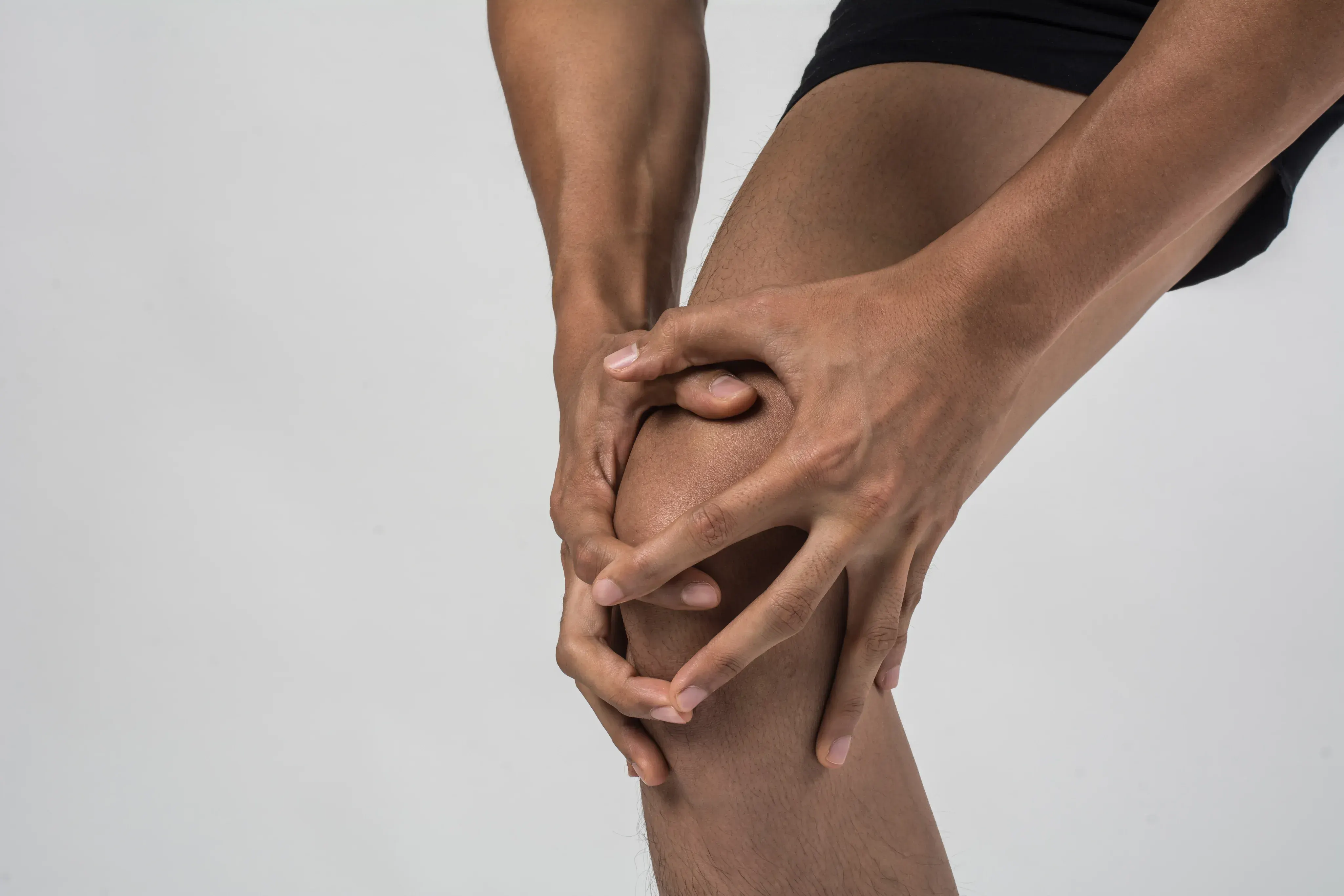
Patient receiving arthritis consultation at Pain Treatment Center of Maryland Reisterstown

Arthritis & Joint Pain Treatment in Reisterstown, MD

Reclaim Your Mobility and Comfort

Common In:Adults 40+
Primary Causes:Aging, Injury, Autoimmune
Treatment Time:15-45 minutes
Results:Days to 2 weeks
Close-up illustration of joint inflammation at Pain Treatment Center of Maryland

What Is Arthritis & Joint Pain?

Recognizing the Signs

Arthritis encompasses a group of more than 100 conditions characterized by inflammation, degeneration, or structural damage within one or more joints. Osteoarthritis, the most prevalent form, involves progressive breakdown of articular cartilage — the smooth tissue that cushions the ends of bones where they meet at a joint.

When you notice stiffness upon waking, aching after prolonged sitting, or difficulty gripping objects you once handled easily, you are experiencing the hallmark signs of joint deterioration. The pain may start as a dull ache and gradually intensify, limiting the activities you once took for granted.

Many patients describe a frustrating cycle where joint pain limits their physical activity, which in turn leads to muscle weakening and further joint instability. Simple tasks like climbing stairs, opening jars, or walking through a parking lot can become sources of daily discomfort and anxiety.

Illustration of cartilage degeneration process at Pain Treatment Center of Maryland Reisterstown

Why Arthritis & Joint Pain Happens

Understanding the Root Causes

Healthy articular cartilage is a remarkably durable tissue, capable of withstanding compressive forces several times your body weight. However, cartilage has virtually no blood supply, meaning it relies on joint fluid for nutrients and has extremely limited capacity for self-repair — losing roughly 0.1-0.2 mm of thickness per decade after age 40.

As cartilage thins, the underlying bone absorbs more mechanical stress with each step and movement. The body responds by forming osteophytes (bone spurs) and increasing synovial fluid production, which causes the swelling, warmth, and stiffness characteristic of arthritic joints.

Simultaneously, chronic low-grade inflammation releases enzymes called matrix metalloproteinases (MMPs) that accelerate cartilage breakdown. This creates a self-perpetuating cycle where damaged tissue triggers more inflammation, which causes further damage — progressively narrowing the joint space and increasing bone-on-bone contact.


Diagram showing synovial fluid mechanics at Pain Treatment Center of Maryland

Synovial Fluid & Joint Lubrication

How Joint Mechanics Change Over Time

Synovial fluid serves as both a lubricant and a nutrient delivery system for articular cartilage. This viscous fluid contains hyaluronic acid — a molecule that gives it the shock-absorbing, gel-like consistency essential for smooth joint movement. In a healthy knee, synovial fluid reduces friction to a coefficient lower than ice sliding on ice.

In arthritic joints, the molecular weight and concentration of hyaluronic acid decrease significantly, reducing the fluid's viscosity by up to 50%. This thinning of synovial fluid means less cushioning during weight-bearing activities, accelerating the mechanical wear on already-compromised cartilage surfaces.

Inflammatory mediators such as interleukin-1 (IL-1) and tumor necrosis factor-alpha (TNF-α) further degrade hyaluronic acid chains, compounding the loss of lubrication. This is why treatments like viscosupplementation — which restore hyaluronic acid levels — can provide meaningful relief by addressing the biochemical environment of the joint rather than simply masking pain.

Lifestyle factors affecting joint health at Pain Treatment Center of Maryland Reisterstown

What Accelerates Arthritis & Joint Pain?

Identifying Your Risk Factors

01

Age-Related Wear

Cartilage naturally thins over decades as the body's ability to produce new cartilage cells (chondrocytes) declines, particularly after age 45.

02

Previous Joint Injuries

Past fractures, ligament tears, or meniscus injuries alter joint mechanics and significantly increase the risk of post-traumatic arthritis years later.

03

Excess Body Weight

Every additional pound of body weight places roughly four pounds of extra pressure on the knees, dramatically accelerating cartilage breakdown in weight-bearing joints.

04

Genetic Predisposition

Family history of osteoarthritis or inflammatory arthritis increases susceptibility, influencing cartilage composition and immune system behavior.

05

Repetitive Joint Stress

Occupations or activities involving repetitive kneeling, squatting, or heavy lifting place sustained mechanical stress on specific joints over time.

06

Muscle Weakness

Weak quadriceps, hip stabilizers, or rotator cuff muscles fail to adequately support and protect joints, transferring excessive load to cartilage surfaces.

Pain Treatment Center of Maryland clinic interior in Reisterstown Maryland

Why Choose Pain Treatment Center of Maryland

Expert Care in Reisterstown

  • Board-Certified PM&R Specialist
  • Comprehensive Joint Assessment
  • Multimodal Treatment Approach
  • Minimally Invasive Techniques

Treatment Options Comparison

Finding Your Best Approach

Treatment Best For Session Time Results Timeline Maintenance
Joint Steroid Injection Acute inflammation relief 15-20 min 3-7 days Every 3-4 months
Viscosupplementation Cartilage lubrication 15-20 min 2-4 weeks Every 6-12 months
Nerve Block Chronic pain interruption 20-30 min 1-3 days Every 3-6 months
Sacroiliac Joint Injection SI joint arthritis pain 15-30 min 3-7 days Every 3-6 months
Patient concerned about joint pain at Pain Treatment Center of Maryland

You May Be Experiencing Arthritis If...

Recognizing When to Seek Help

  • Morning Stiffness
  • Activity-Related Pain
  • Joint Swelling
  • Reduced Range of Motion
  • Grinding Sensation
  • Sleep Disruption

Frequently Asked Questions

About Arthritis & Joint Pain

01 What types of arthritis do you treat at Pain Treatment Center of Maryland?

We treat a range of arthritis conditions including osteoarthritis, rheumatoid arthritis, and post-traumatic arthritis affecting the knees, hips, shoulders, and sacroiliac joints. Dr. Reznikov performs a thorough evaluation to determine your specific type and the most effective treatment approach.

02 What injections help with arthritis pain?

We offer several injection-based treatments including corticosteroid injections for acute inflammation, viscosupplementation (hyaluronic acid) for improved joint lubrication, and nerve blocks for chronic pain management. The best option depends on your specific condition and symptoms.

03 Is viscosupplementation the same as a cortisone shot?

No, they work differently. Cortisone (steroid) injections reduce inflammation and provide faster but shorter-term relief. Viscosupplementation injects hyaluronic acid to restore joint lubrication, typically offering longer-lasting benefits of 6 to 12 months with a gradual onset over 2 to 4 weeks.

04 How often can I receive joint injections?

Steroid injections are typically limited to three to four times per year per joint to minimize potential side effects. Viscosupplementation is generally administered once or twice yearly. Dr. Reznikov will create a schedule that balances effective pain management with joint health.

05 Can I prevent my arthritis from getting worse?

While arthritis progression cannot be fully stopped, many patients slow it significantly through a combination of professional treatment, maintaining a healthy weight, staying active with low-impact exercise, and strengthening the muscles around affected joints.

06 How quickly will I feel relief after an injection?

Corticosteroid injections typically provide noticeable relief within 3 to 7 days. Viscosupplementation takes longer, with most patients experiencing improvement within 2 to 4 weeks as the hyaluronic acid restores joint fluid quality. Nerve blocks may offer relief within 1 to 3 days.

07 Can multiple treatments be combined for better results?

Yes, many patients benefit from a multimodal approach. For example, a steroid injection may provide immediate inflammation relief while viscosupplementation addresses long-term lubrication. Dr. Reznikov will design a comprehensive plan tailored to your specific joint condition.

08 When should I see a specialist about my joint pain?

You should seek professional evaluation if joint pain persists for more than a few weeks, limits your daily activities, causes sleep disruption, or is accompanied by significant swelling, warmth, or decreased range of motion. Early intervention often leads to better long-term outcomes.

Location116 Westminster Pike, Suite 106
Reisterstown, MD, 21136

Schedule Your Consultation

Scientific References