
Preparation
Dr. Reznikov reviews your imaging and diagnostic block results, then positions you comfortably and sterilizes the treatment area.

Long-Lasting Pain Relief

A Proven Path to Lasting Relief
Chronic neck and back pain caused by facet joint degeneration, arthritis, or spinal nerve irritation can be debilitating. Many patients in Reisterstown and surrounding communities like Owings Mills, Pikesville, and Randallstown have tried medications, physical therapy, and steroid injections only to experience temporary or insufficient relief. The pain persists, disrupting sleep, limiting mobility, and reducing quality of life. When conservative treatments fall short, patients deserve a longer-lasting solution that addresses the source of their pain.
Radiofrequency ablation targets the specific nerves transmitting pain signals from damaged or inflamed joints. By using controlled thermal energy to interrupt these nerve pathways, RFA provides relief that lasts months to over a year — far longer than injections alone. At Pain Treatment Center of Maryland, Dr. Reznikov uses fluoroscopic guidance to ensure precise needle placement, maximizing effectiveness while minimizing risk. For patients seeking durable relief without surgery, RFA represents a proven, evidence-based solution.

Thermal Neuroablation Science
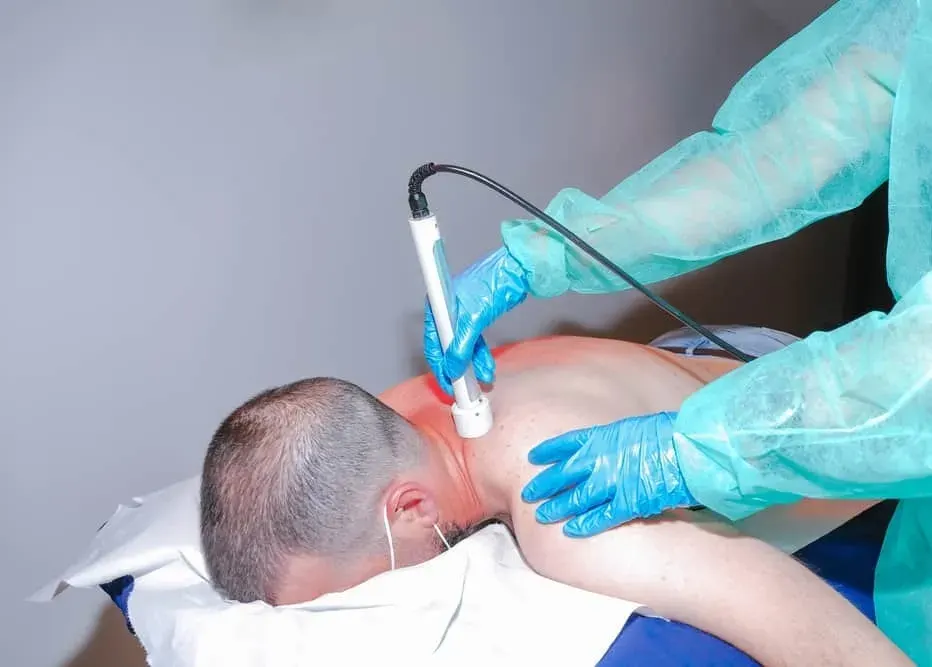
Radiofrequency ablation (RFA), also called radiofrequency neurotomy, is a minimally invasive procedure that uses heat generated by radio waves to disrupt specific nerve fibers that carry pain signals. The FDA-cleared technique has been used in pain management for over two decades, with extensive clinical evidence supporting its effectiveness for facet joint pain, sacroiliac joint pain, and other spinal pain conditions.
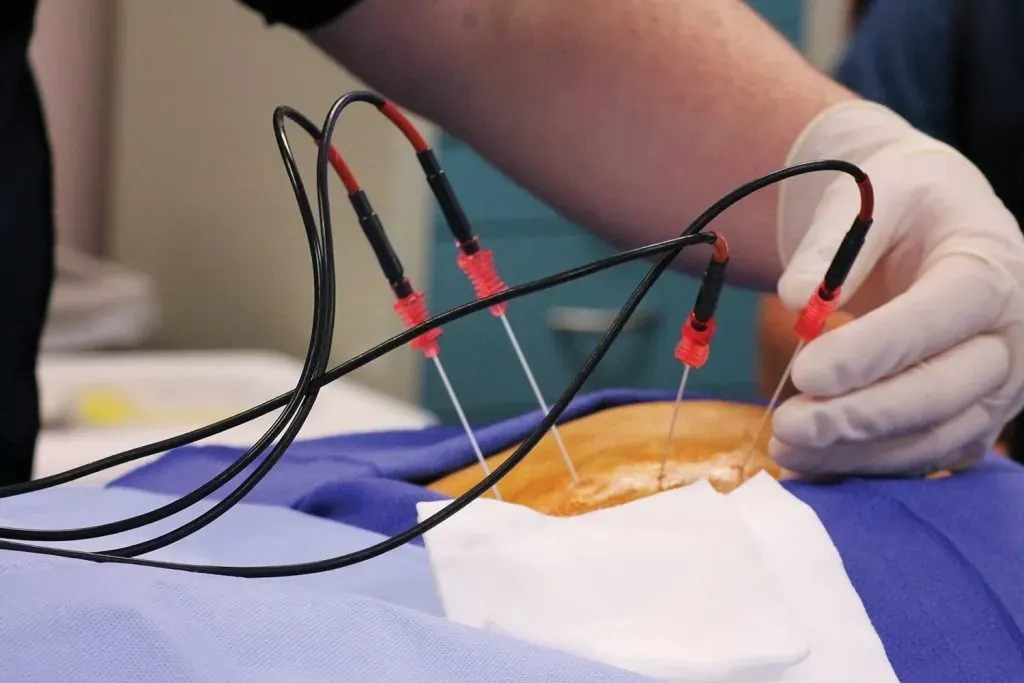
During the procedure, a specialized radiofrequency needle is positioned near the target nerve under real-time fluoroscopic (X-ray) guidance. The needle tip generates a controlled lesion using thermal energy, typically at temperatures between 60-80°C. This precisely disrupts the nerve's ability to transmit pain signals to the brain while preserving motor function and sensation in surrounding tissues. The treated nerves can regenerate over time, but patients typically enjoy 6 to 12 months or more of significant pain reduction.
Advantages of RFA
Pain reduction typically lasts 6 to 12 months or longer per treatment cycle
Performed through a small needle with no incisions, stitches, or general anesthesia
Most patients return to normal activities within one to two days after treatment
Many patients significantly decrease or eliminate their reliance on pain medications
Can be safely repeated when nerves regenerate and pain returns over time
Compare Your Options
| Treatment | Mechanism | Time | Results | Duration | Downtime | Best For |
|---|---|---|---|---|---|---|
| Radiofrequency Ablation | Thermal nerve disruption | 30-60 min | 1-3 weeks | 6-12+ months | 1-2 days | Confirmed facet or SI joint pain |
| Medial Branch Block | Local anesthetic injection | 15-30 min | Immediate | Hours to days | Minimal | Diagnostic confirmation before RFA |
| Epidural Steroid Injection | Anti-inflammatory steroid | 15-20 min | 2-7 days | Weeks to months | Minimal | Disc-related radicular pain |

Candidacy & Considerations
Radiofrequency ablation is most effective for patients with chronic pain that has been confirmed to originate from specific nerve pathways, typically through a diagnostic medial branch block or lateral branch block.
A successful diagnostic nerve block is typically required before RFA to confirm that the targeted nerves are the source of pain. Dr. Reznikov will review your diagnostic results and medical history to determine if RFA is appropriate for your condition.
Dr. Reznikov reviews your imaging and diagnostic block results, then positions you comfortably and sterilizes the treatment area.
Dr. Reznikov numbs the skin and deeper tissues at each treatment site using local anesthetic for your comfort.
Using fluoroscopic guidance, Dr. Reznikov precisely advances the radiofrequency needle to each target nerve location.
Dr. Reznikov performs stimulation testing to confirm correct needle position near the pain-transmitting nerve before ablation.
Dr. Reznikov activates the radiofrequency generator, creating controlled thermal lesions that disrupt pain signal transmission.

Risks & Precautions
Radiofrequency ablation is considered a safe, well-established procedure with a low complication rate. However, as with any medical procedure, there are potential side effects to be aware of.
Dr. Reznikov uses fluoroscopic guidance and sensory testing to minimize risks. She will discuss your specific risk profile during your consultation and provide detailed pre- and post-procedure instructions.
The cost of radiofrequency ablation varies depending on the number of treatment levels, the region treated, and your insurance coverage. In the Reisterstown and Baltimore metropolitan area, RFA typically ranges from $2,000 to $5,000 per session before insurance.
Radiofrequency ablation is widely covered by most major insurance plans, including Medicare, when medical necessity criteria are met. Coverage typically requires documentation of failed conservative treatments and a positive diagnostic nerve block. Our team at Pain Treatment Center of Maryland will verify your benefits and obtain prior authorization before scheduling your procedure.
For any out-of-pocket costs, we offer flexible payment options including CareCredit financing with low monthly payment plans. Our billing team will work with you to understand your financial responsibility before treatment.
Contact us at (410) 833-1011 for a cost estimate based on your specific treatment plan and insurance coverage.

Expert Care in Reisterstown
Dual fellowship in Interventional Spine and Musculoskeletal Medicine
Real-time imaging guidance ensures accurate needle placement every time
Diagnostic nerve blocks confirm pain source before proceeding with ablation
Individualized treatment plans tailored to each patient's pain condition
Discover other treatments that complement your care plan
Answers to Your Questions
Most patients experience significant pain relief lasting 6 to 12 months, and some patients report relief for over a year. The duration varies depending on individual nerve regeneration rates and the underlying condition. When pain returns, the procedure can be safely repeated.
The best candidates are patients with chronic facet joint or sacroiliac joint pain who have experienced significant temporary relief from diagnostic nerve blocks. Dr. Reznikov will evaluate your diagnostic results, imaging, and medical history to determine if RFA is appropriate for you.
Most patients can return to normal activities within one to two days. You may experience soreness at the treatment sites for one to two weeks, which can be managed with ice and over-the-counter pain relievers. Full pain relief typically develops over two to four weeks.
While epidural steroid injections provide temporary anti-inflammatory relief lasting weeks to months, radiofrequency ablation disrupts pain-transmitting nerves for 6-12+ months. RFA is typically recommended when injections provide only short-term relief or need frequent repetition.
Most patients achieve significant relief from a single treatment session per region. If multiple spinal levels are involved, Dr. Reznikov may stage treatments across two sessions. When nerves regenerate and pain returns months later, repeat procedures are safe and effective.
The procedure is performed under local anesthesia, so most patients experience only pressure and mild discomfort. Sedation is available if needed. Post-procedure soreness is common but typically resolves within one to two weeks.
Clinical studies show that lumbar RFA provides at least 50% pain reduction in approximately 70-80% of properly selected patients — those who responded positively to diagnostic medial branch blocks. Success rates are highest when patient selection criteria are carefully followed.
Yes. A diagnostic medial branch block or lateral branch block is typically required before RFA to confirm that the targeted nerves are the source of your pain. This step ensures the highest likelihood of a successful outcome from the ablation procedure.