
Preparation
Dr. Reznikov reviews your imaging and symptoms, positions you comfortably, and cleans the injection site with antiseptic solution.

Targeted SI Joint Relief
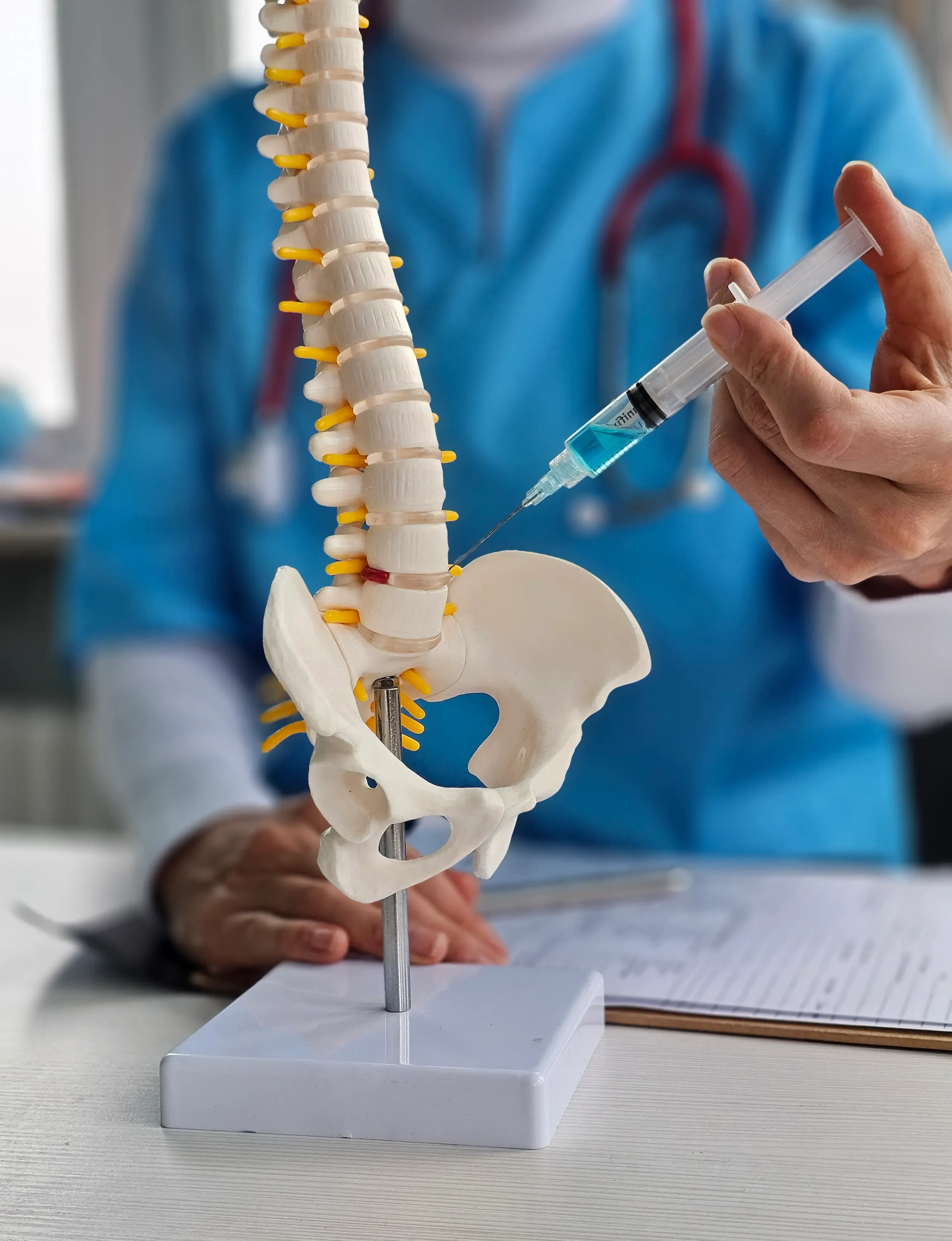
Understanding SI Joint Dysfunction
The sacroiliac joints connect your spine to your pelvis, bearing the weight of your upper body with every step. When these joints become inflamed or dysfunctional, the result is deep, aching pain in the lower back, buttocks, and hips that can radiate down one or both legs. Everyday activities like sitting, standing from a chair, climbing stairs, or rolling over in bed become painful ordeals. Many patients have tried rest, over-the-counter medications, and general physical therapy without lasting improvement.
A sacroiliac joint injection delivers a precise combination of local anesthetic and corticosteroid directly into the affected joint under fluoroscopic guidance. This targeted approach serves a dual purpose: confirming the SI joint as the true pain source and providing anti-inflammatory relief exactly where it is needed. Unlike oral medications that affect the entire body, this interventional procedure concentrates treatment at the origin of pain, reducing inflammation and breaking the cycle of dysfunction so you can return to the activities you enjoy.

Fluoroscopic-Guided Joint Therapy
A sacroiliac joint injection is a minimally invasive procedure in which a combination of local anesthetic and anti-inflammatory corticosteroid medication is delivered directly into the sacroiliac joint. The SI joint is a large, weight-bearing joint where the sacrum (the triangular bone at the base of the spine) meets the ilium (the large pelvic bone). Dysfunction in this joint accounts for an estimated 15-30% of all chronic lower back pain cases.
The procedure is performed under real-time fluoroscopic (X-ray) guidance to ensure precise needle placement within the joint capsule. A small amount of contrast dye is injected first to confirm accurate positioning before the therapeutic medication is delivered. The anesthetic component provides immediate diagnostic confirmation — if your pain significantly decreases within minutes, it confirms the SI joint as the source. The corticosteroid then works over the following days to reduce inflammation within the joint, providing sustained relief that allows patients to engage in rehabilitative exercises and address underlying SI joint dysfunction.

Why Patients Choose This
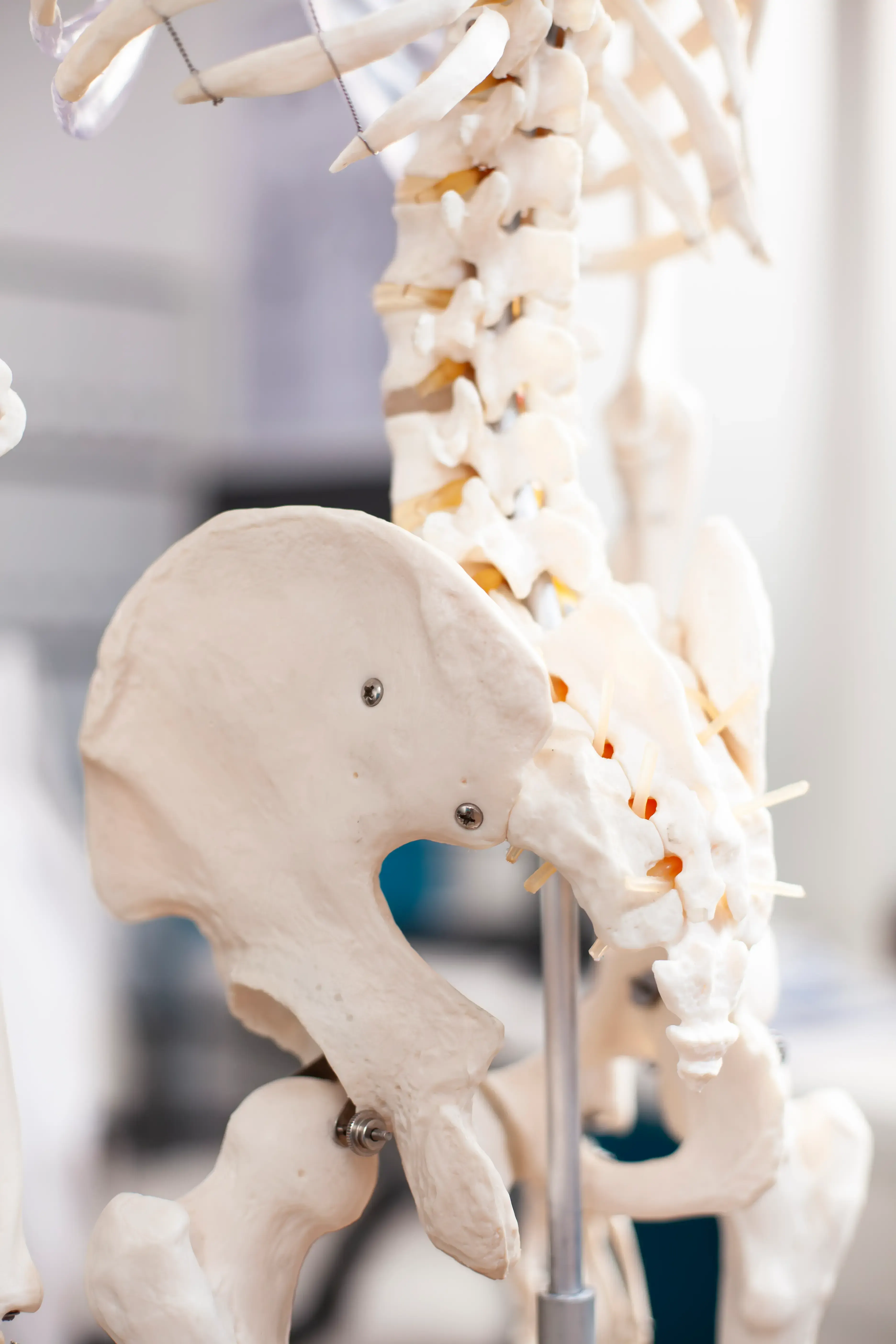
Confirms the SI joint as the true source of your pain during the same procedure
Anesthetic provides immediate relief; corticosteroid reduces inflammation within days
Performed with a small needle under fluoroscopic guidance — no incisions required
Most patients return to normal activities within 24-48 hours after the procedure
Pain reduction allows meaningful participation in physical therapy and exercise programs
Compare Your Options
| Treatment | Mechanism | Time | Results | Duration | Downtime | Best For |
|---|---|---|---|---|---|---|
| SI Joint Injection | Corticosteroid anti-inflammatory delivered into joint | 15-30 min | 1-7 days | Weeks to months | 24-48 hours | Confirmed or suspected SI joint dysfunction |
| Joint Steroid Injection | Corticosteroid into other joints (facet, hip) | 15-30 min | 1-7 days | Weeks to months | 24-48 hours | Non-SI joint pain sources |
| Radiofrequency Ablation | Heat lesions on sensory nerves to block pain signals | 30-60 min | 1-3 weeks | 6-18 months | 1-2 weeks | Confirmed SI joint pain needing longer relief |

Candidacy and Considerations
Sacroiliac joint injections are most effective for patients with clinical signs of SI joint dysfunction who have not responded adequately to conservative treatments such as oral medications and physical therapy.
Dr. Reznikov performs a thorough evaluation including physical examination and imaging review to determine whether a sacroiliac joint injection is appropriate for your specific condition.
Dr. Reznikov reviews your imaging and symptoms, positions you comfortably, and cleans the injection site with antiseptic solution.
Dr. Reznikov uses real-time fluoroscopy to identify the sacroiliac joint and guides the needle to the precise target location.
Dr. Reznikov injects a small amount of contrast dye under fluoroscopy to visually confirm the needle is correctly positioned within the joint.
Dr. Reznikov delivers the anesthetic and corticosteroid combination directly into the SI joint for both diagnostic and therapeutic effect.
Dr. Reznikov evaluates your immediate pain response to the anesthetic, provides aftercare instructions, and schedules a follow-up to assess results.

What to Know Beforehand
Sacroiliac joint injections are considered a safe, well-established procedure when performed by a trained specialist under fluoroscopic guidance. As with any injection procedure, there are potential side effects to be aware of.
Common side effects include temporary soreness or discomfort at the injection site for 24-48 hours, mild bruising, and a temporary increase in pain before the corticosteroid takes effect (known as a "steroid flare"). Some patients may experience temporary numbness or weakness in the leg due to the local anesthetic, which resolves within hours.
Less common side effects include temporary elevation in blood sugar (particularly relevant for diabetic patients), facial flushing, and mild fluid retention. These effects are related to the corticosteroid and typically resolve within a few days.
Rare complications include infection at the injection site, allergic reaction to medications or contrast dye, and nerve injury. Dr. Reznikov uses fluoroscopic guidance and sterile technique to minimize these risks. Contact Pain Treatment Center of Maryland immediately at (410) 833-1011 if you experience fever, increasing redness or swelling at the injection site, or worsening pain after the first 48 hours.
The cost of a sacroiliac joint injection at Pain Treatment Center of Maryland varies based on whether the procedure is unilateral (one side) or bilateral (both sides), your insurance coverage, and whether additional imaging or diagnostic testing is needed.
Sacroiliac joint injections are a recognized medical procedure for the treatment of documented SI joint dysfunction, and most major health insurance plans provide coverage when medical necessity criteria are met. Our team verifies your insurance benefits before your procedure so you understand your financial responsibility in advance.
For patients without insurance coverage or with high-deductible plans, we offer financing through CareCredit to help make treatment accessible. Self-pay pricing is available upon request during your consultation.
To receive a personalized cost estimate for your sacroiliac joint injection, call Pain Treatment Center of Maryland at (410) 833-1011 or schedule a consultation with Dr. Reznikov.

Reisterstown's Pain Experts
Interventional Spine & Sports Medicine fellowship ensures expert-level injection precision
Real-time imaging confirms exact needle placement for maximum effectiveness and safety
Injection serves as both diagnostic tool and treatment in a single appointment
SI joint injections are part of a complete treatment plan including rehabilitation and follow-up
Discover other treatments that complement your care plan
Answers to Your Questions
A sacroiliac joint injection is a minimally invasive procedure where a combination of local anesthetic and corticosteroid is injected directly into the SI joint under fluoroscopic guidance. It serves as both a diagnostic tool to confirm the SI joint as your pain source and a therapeutic treatment to reduce inflammation and pain.
SI joint pain typically presents as deep, aching discomfort in the lower back, buttock, or hip on one or both sides. It often worsens with prolonged sitting, standing from a seated position, climbing stairs, or rolling over in bed. Dr. Reznikov uses specific physical examination tests and your symptom history to determine if the SI joint is the likely source. The injection itself provides definitive diagnostic confirmation.
Relief duration varies by patient. The local anesthetic provides immediate but temporary relief lasting several hours (diagnostic phase). The corticosteroid typically begins working within 3-7 days and can provide relief lasting weeks to several months. Some patients experience longer-lasting benefit, especially when the injection is combined with physical therapy and lifestyle modifications.
Yes, SI joint injections can be repeated if they provide meaningful relief. Dr. Reznikov typically recommends limiting corticosteroid injections to 3-4 per year for a given joint to minimize potential side effects. If injections provide consistent but temporary relief, she may recommend radiofrequency ablation for longer-lasting results.
Downtime is minimal. Plan to rest for the remainder of the day of your procedure and avoid strenuous activity for 24-48 hours. Most patients return to work and normal daily activities the next day. You should have someone drive you home from the appointment as the anesthetic may cause temporary leg numbness.
Most patients report mild discomfort during the procedure, similar to a deep pressure sensation. Dr. Reznikov numbs the skin and tissue along the needle path with local anesthetic before advancing to the joint, which significantly reduces discomfort. The entire procedure typically takes 15-30 minutes.
Studies show that fluoroscopic-guided SI joint injections provide significant pain relief in approximately 70-80% of patients with confirmed SI joint dysfunction. The diagnostic accuracy of the injection is also high, helping Dr. Reznikov identify or rule out the SI joint as the pain source and guide subsequent treatment decisions.
Yes, bilateral sacroiliac joint injections can be performed during the same appointment when both joints are symptomatic. Dr. Reznikov evaluates each joint individually during your examination and may recommend bilateral injection if clinical findings support dysfunction on both sides.