
Preparation
Dr. Reznikov reviews your medical history and symptoms, then examines the areas of concern to determine which nerves and muscles to test.

Precise Nerve & Muscle Diagnostics
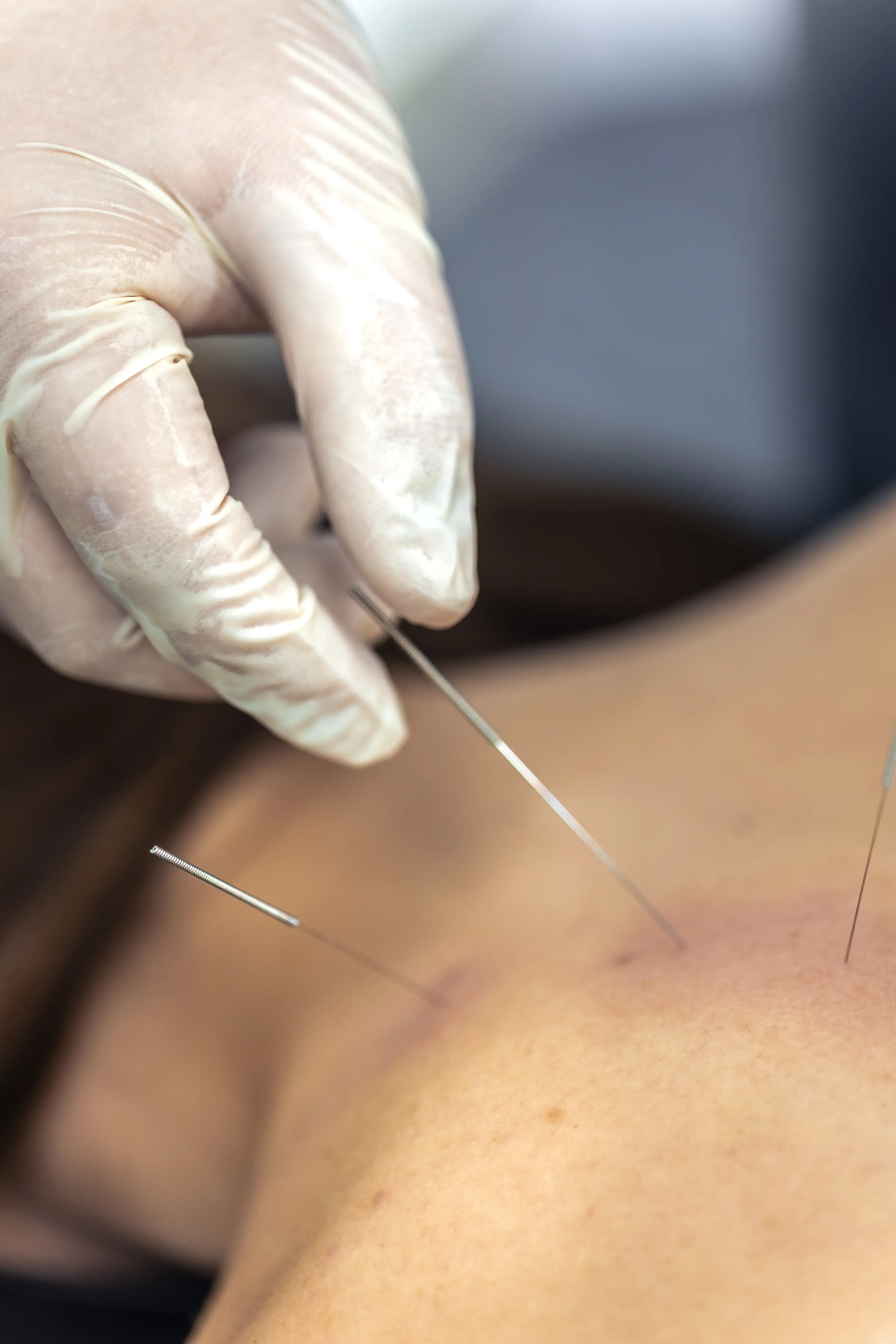
Accurate Diagnosis Changes Everything
Nerve and muscle problems often produce overlapping symptoms — tingling in your hands could stem from neuropathy, carpal tunnel syndrome, or a cervical spine issue. Without objective testing, clinicians must rely on physical examination and imaging alone, which may not reveal the underlying electrical dysfunction. Patients in Reisterstown and surrounding areas frequently endure months of trial-and-error treatments because the root cause was never precisely identified.
Electrodiagnostic testing removes the guesswork. EMG and nerve conduction studies measure the actual electrical signals traveling through your nerves and muscles, pinpointing the exact location and severity of dysfunction. Dr. Reznikov interprets results in real time, often providing a diagnosis the same day. This precision means your treatment plan — whether it involves a nerve block, physical therapy, or surgical referral — addresses the actual problem from the start.

The Science of Electrodiagnosis
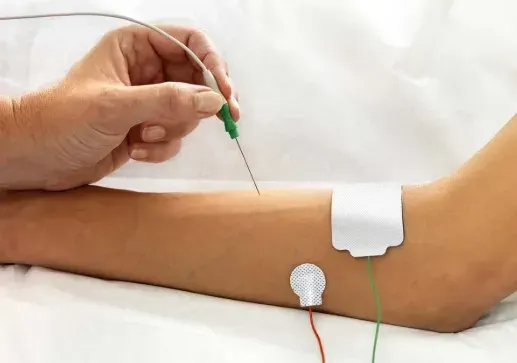
Electromyography (EMG) is a diagnostic procedure that evaluates the health of muscles and the motor neurons that control them. During the test, a thin needle electrode is inserted into specific muscles to record their electrical activity at rest and during contraction. This data reveals whether a muscle is responding normally to nerve signals or if there is evidence of nerve damage, muscle disease, or neuromuscular junction disorders.
A nerve conduction study (NCS) is typically performed alongside the EMG. Small electrodes placed on the skin deliver mild electrical impulses to specific nerves, and sensors measure how quickly and strongly the signal travels. Together, EMG and NCS — collectively called electrodiagnostic testing — provide a comprehensive map of nerve and muscle function that imaging studies like MRI cannot capture. These tests are considered the gold standard for diagnosing conditions such as peripheral neuropathy, radiculopathy, sciatica, carpal tunnel syndrome, and myopathies.
Why Electrodiagnosis Matters
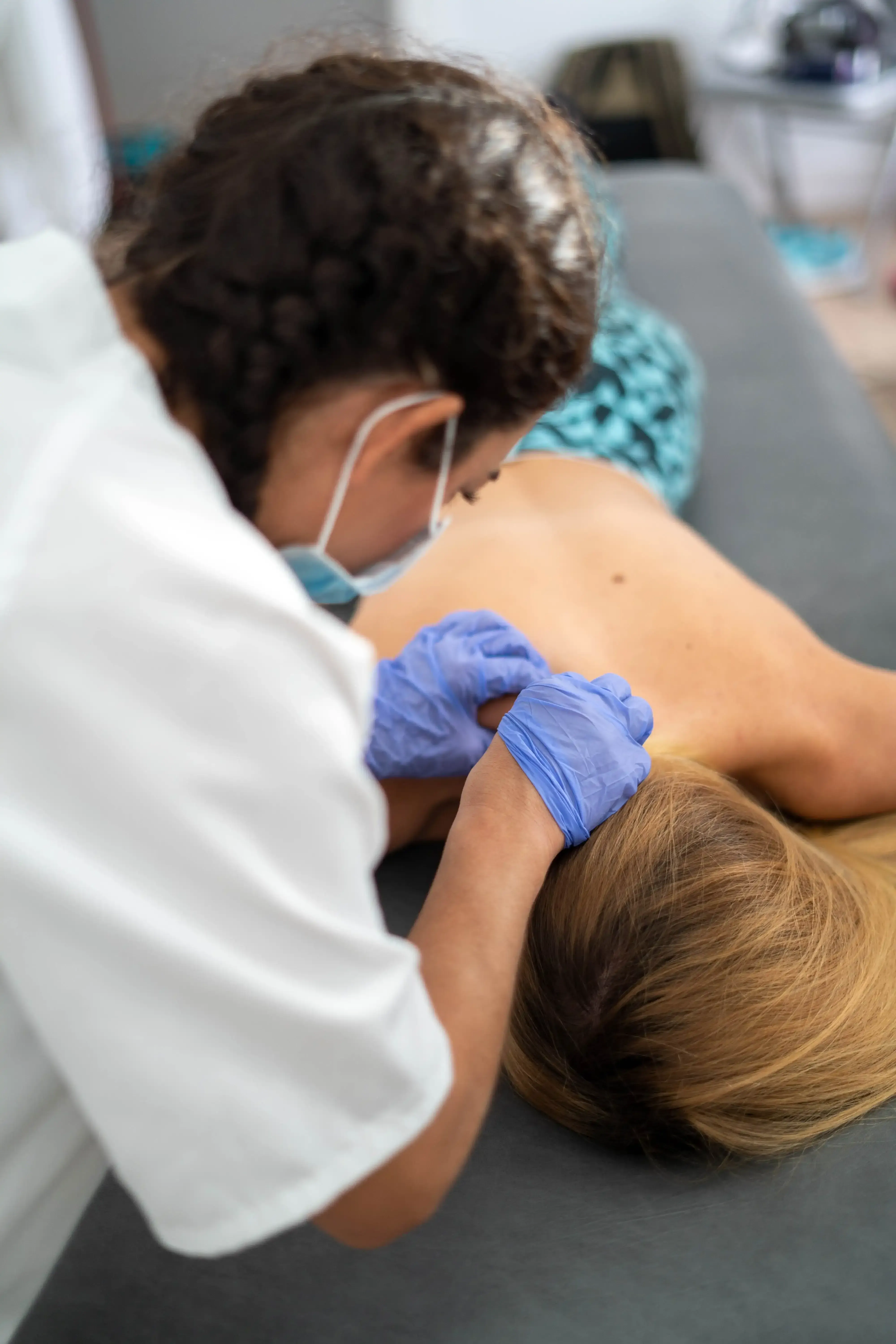
Measures actual electrical nerve and muscle signals — no subjective interpretation
Identifies the exact site and severity of nerve or muscle dysfunction
Dr. Reznikov interprets findings in real time during your appointment
Directs your care plan toward the most effective intervention from the start
Safe, non-radiologic testing with no ionizing radiation exposure
Comparing Your Options
| Diagnostic Method | What It Measures | Test Time | Results | Radiation | Invasiveness | Best For |
|---|---|---|---|---|---|---|
| EMG / NCS | Electrical nerve & muscle signals | 30-60 min | Same day | None | Needle electrode + skin patches | Neuropathy, radiculopathy, carpal tunnel, myopathy |
| MRI | Structural anatomy (soft tissue detail) | 30-90 min | 1-3 days | None | Non-invasive (contrast optional) | Disc herniation, tumors, structural abnormalities |
| Clinical Examination | Reflexes, strength, sensation | 15-30 min | Immediate | None | Non-invasive | Initial screening, guiding further testing |
Candidacy for Electrodiagnostic Testing
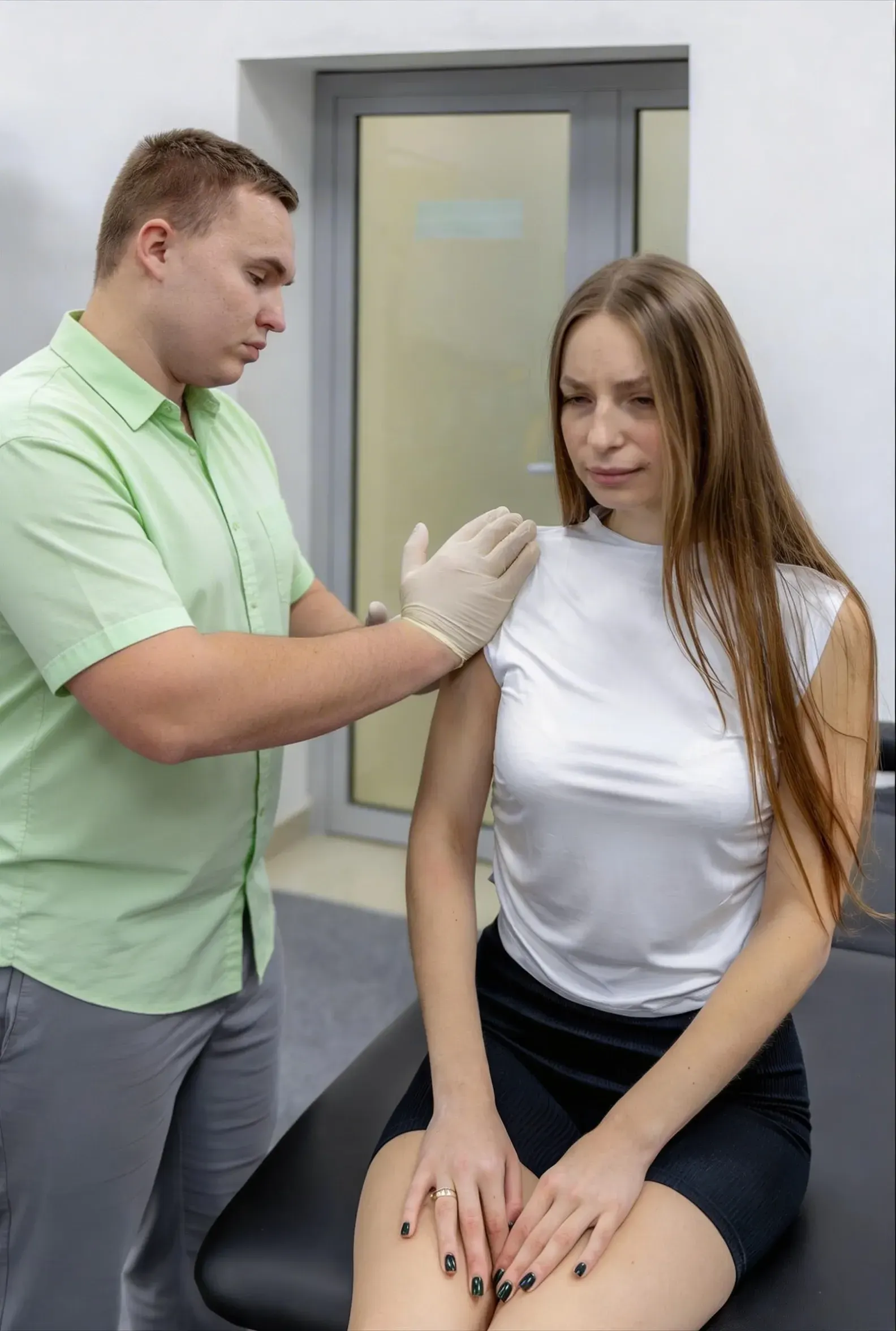
EMG and nerve conduction studies are valuable for anyone experiencing unexplained neurological symptoms. Dr. Reznikov may recommend electrodiagnostic testing when clinical examination and imaging have not provided a definitive diagnosis.
If you are uncertain whether electrodiagnostic testing is right for you, Dr. Reznikov will evaluate your symptoms during a consultation and recommend the most appropriate diagnostic pathway.
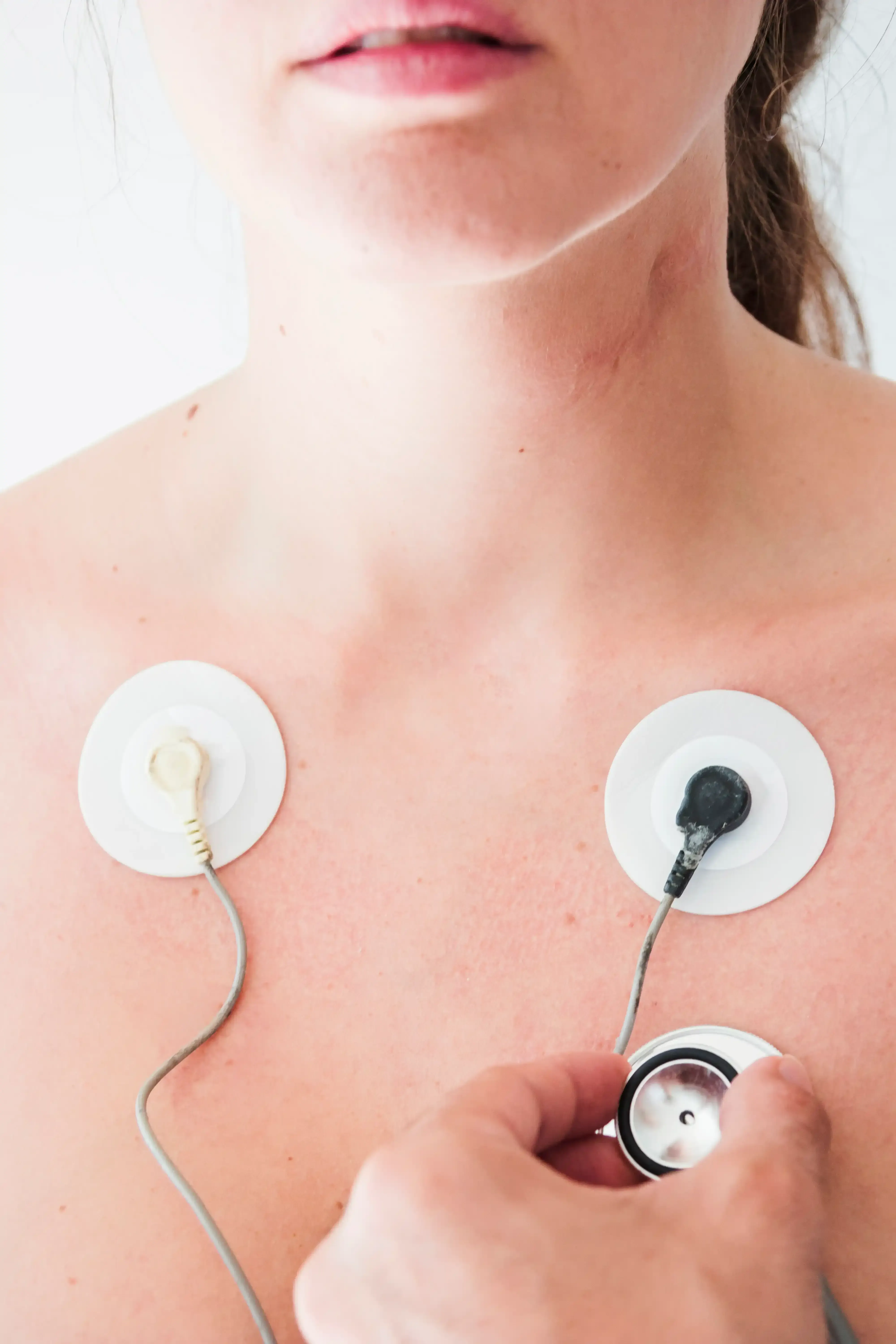
Dr. Reznikov reviews your medical history and symptoms, then examines the areas of concern to determine which nerves and muscles to test.
Dr. Reznikov places small electrode patches on your skin and delivers brief, mild electrical impulses to measure how quickly signals travel along specific nerves.
Dr. Reznikov inserts a thin, sterile needle electrode into targeted muscles to record electrical activity at rest and during gentle contraction.
Dr. Reznikov interprets the waveform data during the study, identifying patterns that indicate nerve compression, damage, or muscle dysfunction.
Dr. Reznikov discusses findings with you immediately and outlines a treatment plan, which may include nerve blocks, physical therapy, or further evaluation.
What to Know Beforehand
Electrodiagnostic testing is a safe, well-established diagnostic procedure. During the nerve conduction study, you will feel brief electrical impulses — most patients describe this as a mild tingling or tapping sensation. During the needle EMG portion, you may feel a slight pinch as the thin electrode is inserted; this discomfort is generally minimal and short-lived.
EMG testing uses sterile, single-use needle electrodes to minimize infection risk. The electrical impulses used in nerve conduction studies are low-voltage and medically safe. Patients with pacemakers or implanted devices should inform Dr. Reznikov beforehand, as minor modifications to the testing protocol may be required. There is no radiation exposure and no sedation involved — you remain fully alert throughout the study.
Electrodiagnostic testing (EMG and nerve conduction studies) is a medically necessary diagnostic procedure and is covered by most major insurance plans, including Medicare and Medicaid. Your out-of-pocket cost will depend on your specific plan, deductible, and whether Dr. Reznikov is an in-network provider with your insurer.
In the Reisterstown, MD area, EMG testing generally ranges from $200 to $500 per session depending on the number of nerves and muscles tested. Insurance typically covers a significant portion when the test is ordered for an appropriate medical indication.
Pain Treatment Center of Maryland accepts most major insurance plans. For patients with high deductibles or limited coverage, we offer CareCredit financing with flexible payment plans. Contact our office at (410) 833-1011 to verify your insurance coverage and discuss payment options before your appointment.
Reisterstown's Trusted Specialists
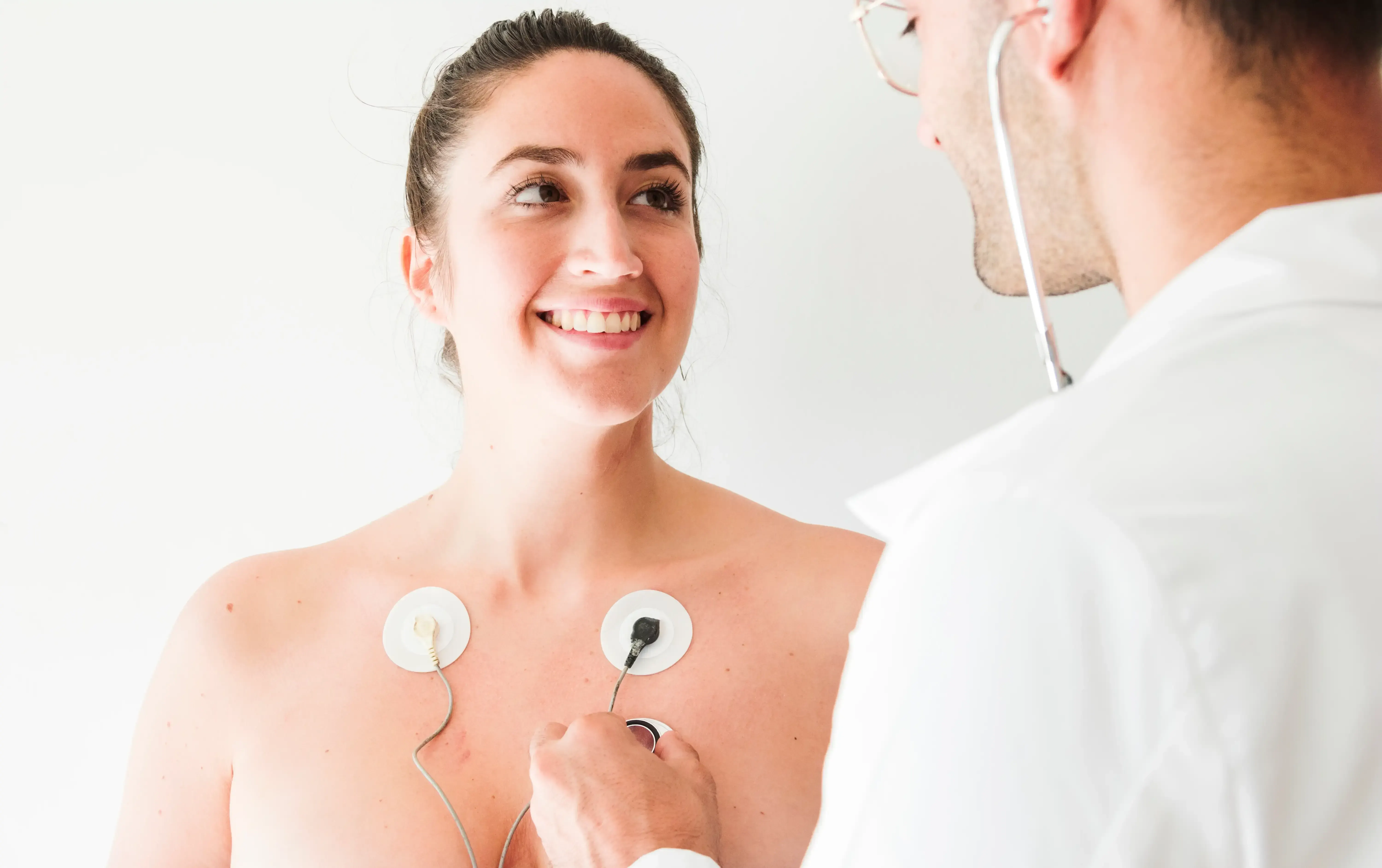
Dr. Reznikov personally conducts and interprets every EMG study
Diagnostic results translate directly into your pain management plan
Specialized training in spine and musculoskeletal diagnostics
In-office testing in Reisterstown — no hospital visit required
Discover other treatments that complement your care plan
Answers to Your Questions
An EMG (electromyography) test is a diagnostic procedure that measures the electrical activity of your muscles and the nerves that control them. It consists of two parts: a nerve conduction study that measures signal speed along your nerves, and a needle EMG that records muscle electrical activity. Together, these tests help Dr. Reznikov identify nerve damage, muscle disorders, and conditions like neuropathy or radiculopathy.
Most patients experience only mild discomfort. The nerve conduction portion involves brief electrical impulses that feel like a quick tapping or tingling. The needle EMG involves a thin electrode inserted into muscles — you may feel a slight pinch, similar to an acupuncture needle. Any discomfort is short-lived, and no sedation or anesthesia is needed.
EMG and nerve conduction studies diagnose a wide range of neuromuscular conditions including peripheral neuropathy, carpal tunnel syndrome, radiculopathy (pinched nerves), sciatica, ulnar neuropathy, myopathies, motor neuron diseases, and nerve injuries from trauma or repetitive strain. The test identifies the location, type, and severity of nerve or muscle dysfunction.
A typical electrodiagnostic study takes 30 to 60 minutes, depending on how many nerves and muscles need to be tested. Dr. Reznikov determines the scope of testing based on your symptoms and clinical presentation. Results are interpreted in real time and discussed with you immediately after the study.
This depends on your insurance plan. Some insurers require a referral from your primary care physician, while others allow you to schedule directly with a specialist. Contact our office at (410) 833-1011 and our staff will verify your insurance requirements and help coordinate any necessary referrals.
A nerve conduction study (NCS) measures how fast and how strongly electrical signals travel along your nerves using surface electrodes on the skin. An EMG uses a thin needle electrode inserted into muscles to evaluate their electrical activity. They are complementary tests — NCS assesses nerve function while EMG assesses muscle response. Dr. Reznikov typically performs both together for a complete diagnostic picture.
Preparation is minimal. Avoid applying lotions, creams, or oils to your skin on the day of the test, as these can interfere with electrode contact. Wear loose, comfortable clothing that allows access to the areas being tested. Continue taking your regular medications unless Dr. Reznikov instructs otherwise. No fasting is required.
Yes, EMG and nerve conduction studies are medically necessary diagnostic tests and are covered by most major insurance plans, including Medicare and Medicaid. Your specific out-of-pocket cost depends on your plan's deductible and co-insurance. Our office can verify your coverage before your appointment — call (410) 833-1011.