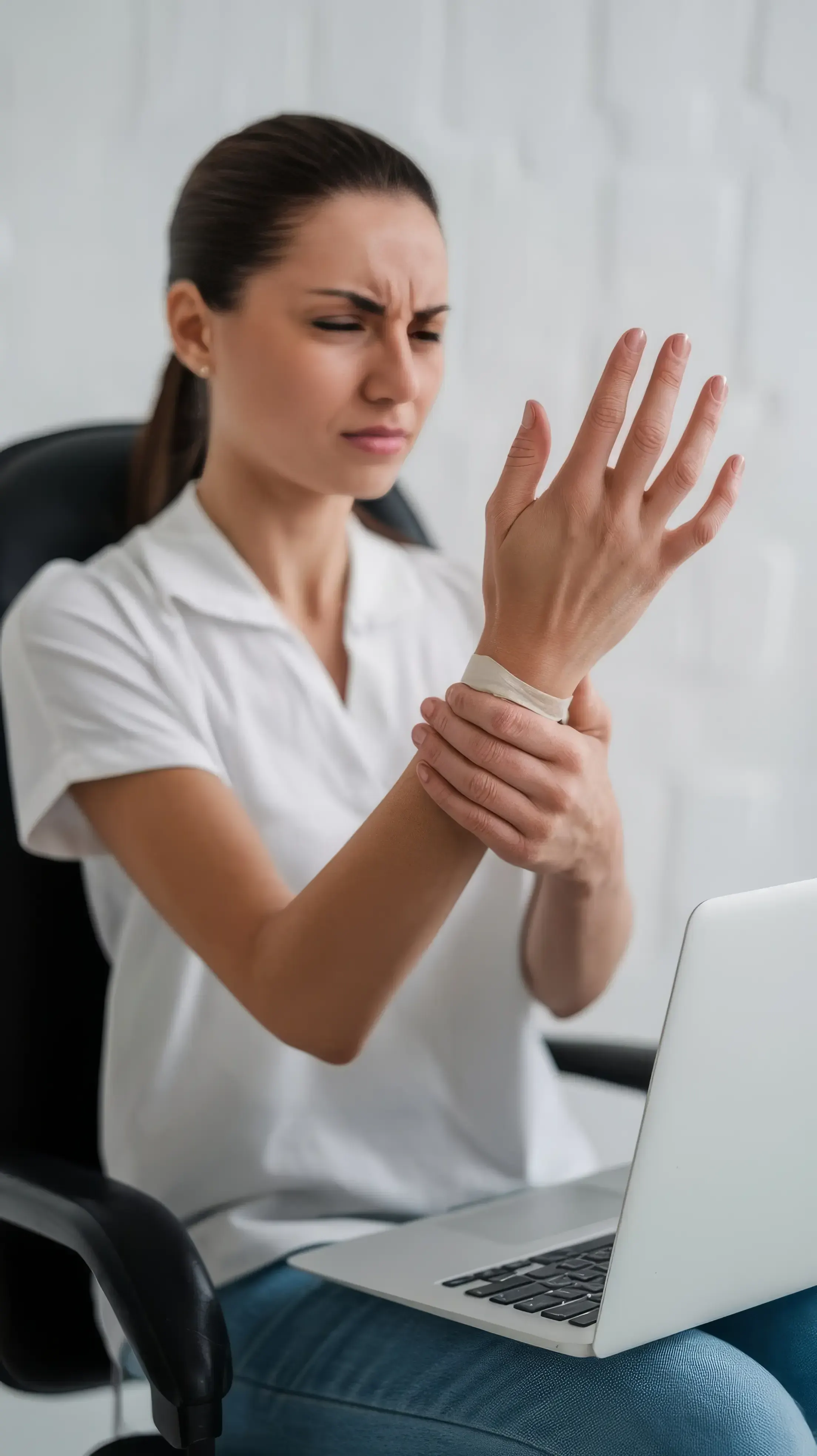



Patient consulting about work-related injury at Pain Treatment Center of Maryland Reisterstown

Work-Related Injury Treatment in Reisterstown, MD

Reclaim Your Function and Livelihood

Common In:Working Adults 25-65
Primary Causes:Repetitive Strain, Acute Trauma
Treatment Time:15-45 minutes
Results:Days to 6 weeks
Patient experiencing work-related back pain at Pain Treatment Center of Maryland

What Are Work-Related Injuries?

Recognizing the Signs

Work-related injuries encompass a broad spectrum of musculoskeletal and neurological conditions that develop as a direct result of occupational activities. These injuries range from acute traumatic events such as falls and lifting injuries to chronic overuse conditions that develop gradually from repetitive motions, sustained postures, or cumulative mechanical stress on the spine and joints.

When pain from a workplace injury begins affecting your ability to perform daily tasks, you may notice stiffness upon waking, radiating pain during specific movements, or numbness and tingling in your extremities. These symptoms often worsen throughout the workday, making it increasingly difficult to maintain productivity and focus.

Many patients describe the frustration of wanting to work but being physically unable to perform at their previous capacity. The combination of persistent pain, functional limitations, and uncertainty about recovery can significantly impact both professional performance and personal quality of life.

Illustration of spinal biomechanics and workplace injury at Pain Treatment Center of Maryland Reisterstown

Why Work-Related Injuries Happen

Understanding the Root Causes

The musculoskeletal system is designed for varied movement patterns, but many occupations demand repetitive actions or sustained postures that exceed tissue tolerance thresholds. Research shows that cumulative loading forces as low as 30% of maximum voluntary contraction can cause tissue microtrauma when sustained for extended periods, leading to inflammation and structural damage over time.

When spinal discs, tendons, or ligaments experience repeated stress without adequate recovery, the body's repair mechanisms cannot keep pace with ongoing tissue breakdown. This imbalance triggers an inflammatory cascade that sensitizes pain receptors, resulting in the chronic pain patterns commonly seen in occupational injuries affecting the back, neck, shoulders, and extremities.

Workplace ergonomic deficiencies compound these biomechanical stresses. Improper lifting mechanics, poorly designed workstations, and insufficient rest intervals accelerate degenerative changes in vulnerable structures, particularly the lumbar spine and cervical region where occupational injuries most frequently occur.
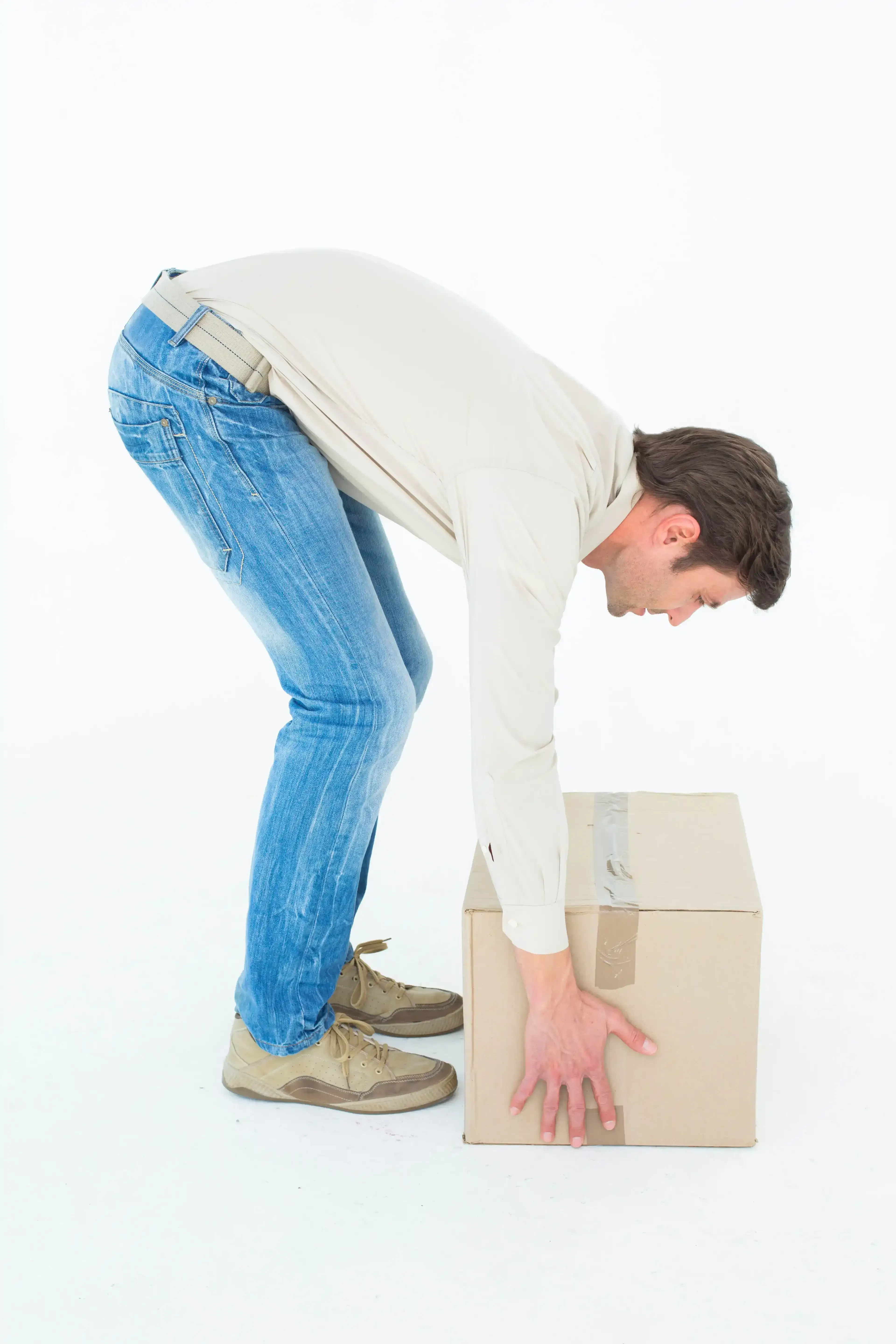

Diagram showing nerve compression and soft tissue injury at Pain Treatment Center of Maryland

Nerve & Soft Tissue Damage

How Workplace Strain Affects Your Body

Peripheral nerves are particularly vulnerable to workplace injuries because they travel through confined anatomical spaces where compression and traction forces concentrate. Conditions like carpal tunnel syndrome, cervical radiculopathy, and lumbar nerve root impingement all result from mechanical pressure on neural structures, disrupting normal signal transmission and causing pain, numbness, or weakness in affected areas.

Inflammation from acute workplace trauma or repetitive microtrauma triggers a neurochemical cascade that can sensitize the nervous system, a process known as central sensitization. This means the nervous system amplifies pain signals, causing discomfort that may persist even after the initial tissue injury has partially healed, which explains why many occupational injuries become chronic without proper intervention.

Muscular compensation patterns further complicate recovery. When one structure is injured, surrounding muscles contract protectively, altering normal movement biomechanics. These compensatory patterns can create secondary pain generators in regions distant from the original injury site, making accurate diagnosis through electrodiagnostic and clinical evaluation essential.

Workplace risk factors for injury at Pain Treatment Center of Maryland Reisterstown

What Leads to Work-Related Injuries?

Identifying Your Risk Factors

01

Repetitive Motion

Performing the same movement patterns hundreds of times daily creates cumulative microtrauma in tendons, muscles, and joints that exceeds the body's repair capacity.

02

Heavy Lifting

Manual material handling, especially with twisting or awkward postures, places excessive compressive and shear forces on spinal discs and facet joints.

03

Sustained Postures

Prolonged sitting or standing in fixed positions reduces blood flow to muscles and increases static loading on spinal structures, accelerating disc degeneration.

04

Acute Trauma

Slips, falls, struck-by incidents, and motor vehicle accidents during work cause sudden tissue damage to ligaments, muscles, and neural structures.

05

Vibration Exposure

Whole-body or hand-arm vibration from heavy equipment or power tools damages peripheral nerves and blood vessels, contributing to chronic pain syndromes.

06

Psychosocial Stressors

High job demands, low autonomy, and workplace stress amplify pain perception and slow recovery through elevated cortisol and muscle tension.

Pain Treatment Center of Maryland clinic interior in Reisterstown Maryland

Why Choose Pain Treatment Center of Maryland

Expert Care in Reisterstown

  • Board-Certified PM&R Specialist
  • Comprehensive Diagnostics
  • Interventional Pain Management
  • Workers' Compensation Experience

Treatment Options Comparison

Finding Your Best Approach

Treatment Best For Session Time Results Timeline Maintenance
Trigger Point Injections Localized muscle pain 15-20 min Days to 1 week As needed
Joint Steroid Injection Joint inflammation & swelling 15-20 min 3-7 days Every 3-6 months
Epidural Steroid Injection Spinal nerve compression 20-30 min 1-2 weeks Every 3-6 months
Electrodiagnostic Testing (EMG) Nerve damage diagnosis 30-45 min Immediate diagnosis Follow-up as needed
Person concerned about work-related pain at Pain Treatment Center of Maryland

You May Have a Work-Related Injury If...

Recognizing When to Seek Help

  • Pain During Work Tasks
  • Morning Stiffness
  • Radiating Symptoms
  • Declining Performance
  • Failed Self-Care
  • Sleep Disruption

Frequently Asked Questions

About Work-Related Injuries

01 Do you treat workers' compensation cases?

Yes, Pain Treatment Center of Maryland accepts workers' compensation cases. Dr. Reznikov works within the workers' comp framework to provide timely evaluations, diagnostic testing, and interventional treatments to support your recovery and return-to-work goals.

02 What types of work-related injuries do you treat?

We treat a wide range of occupational injuries including back and neck pain from lifting or repetitive strain, herniated discs, sciatica, joint injuries, nerve compression syndromes, and pain from workplace falls or motor vehicle accidents sustained during work.

03 How quickly can I be seen for a work-related injury?

We understand that prompt treatment is essential for work injuries. Our office works to accommodate urgent referrals and new patients as quickly as possible. Call (410) 833-1011 to discuss scheduling availability for your situation.

04 Do you work with occupational health providers?

Yes, we coordinate regularly with occupational health physicians, employers, case managers, and insurance adjusters to ensure comprehensive care. Dr. Reznikov provides detailed documentation and communicates treatment progress to support your workers' comp claim.

05 Will I need surgery for my work injury?

Many work-related injuries respond well to conservative and interventional approaches without surgery. Treatments like epidural steroid injections and trigger point injections can provide significant relief. Dr. Reznikov focuses on nonsurgical options first and refers for surgical consultation only when clinically indicated.

06 Can multiple treatments be combined for better results?

Absolutely. Dr. Reznikov often develops multimodal treatment plans combining diagnostic testing such as EMG with targeted injections and rehabilitation strategies. This comprehensive approach typically addresses both the pain source and contributing functional deficits.

07 How do I know which treatment is right for my work injury?

A thorough evaluation including physical examination and potentially electrodiagnostic testing helps pinpoint the exact pain generators. Dr. Reznikov uses these diagnostic findings to recommend the most appropriate interventional procedure for your specific injury pattern.

08 What should I bring to my first appointment?

Bring your workers' compensation claim information, any imaging studies (X-rays, MRI), previous treatment records, a list of current medications, and your employer or case manager contact information. This helps Dr. Reznikov develop an efficient treatment plan from your first visit.

Location116 Westminster Pike, Suite 106
Reisterstown, MD, 21136

Schedule Your Consultation

Scientific References