


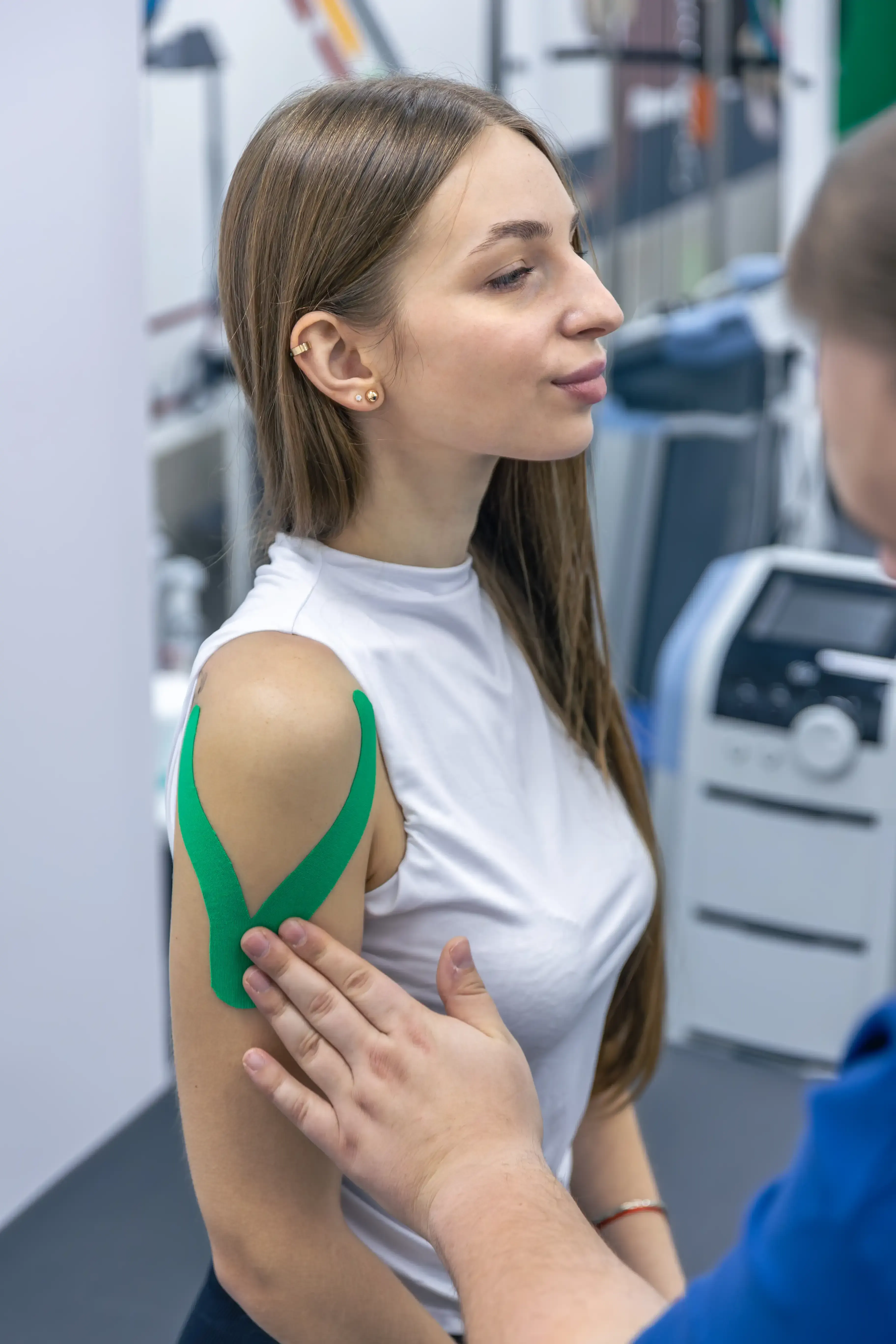
Patient consulting for shoulder pain treatment at Pain Treatment Center of Maryland Reisterstown

Shoulder Pain Treatment in Reisterstown, MD

Restore Your Mobility and Comfort

Common In:Adults 40+
Primary Causes:Injury, Arthritis, Overuse
Treatment Time:15-30 minutes
Results:Days to 2 weeks
Close-up of patient experiencing shoulder discomfort at Pain Treatment Center of Maryland

What Is Chronic Shoulder Pain?

Recognizing the Signs

Shoulder pain is one of the most common musculoskeletal complaints, affecting the glenohumeral joint complex -- the body's most mobile and inherently unstable joint. Chronic shoulder pain involves persistent discomfort lasting longer than three months, often stemming from degenerative changes, rotator cuff pathology, adhesive capsulitis, or inflammatory conditions that compromise the intricate balance of tendons, bursa, and cartilage within the joint.

When you struggle to reach overhead, fasten a seatbelt, or sleep on your affected side, you are experiencing the functional limitations that shoulder pain imposes on everyday life. The aching may radiate from the joint down the arm or up into the neck, making it difficult to pinpoint where the problem originates.

Many patients describe feeling trapped by their shoulder pain -- avoiding activities they once enjoyed, compensating with awkward movements, and noticing their range of motion shrinking over time. The frustration of not being able to lift, carry, or even dress comfortably takes a significant toll on independence and quality of life.

Illustration of shoulder joint anatomy and pain mechanisms at Pain Treatment Center of Maryland Reisterstown

Why Shoulder Pain Happens

Understanding the Root Causes

The shoulder relies on a delicate interplay between four rotator cuff muscles, multiple ligaments, and a thin layer of articular cartilage to maintain stability through its 180-degree range of motion. Over time, repetitive overhead motions, poor posture, or acute injury can cause microtrauma that accumulates faster than the body can repair -- studies show rotator cuff degeneration affects up to 30% of adults over age 60.

As tendons fray or become impinged beneath the acromion, inflammation triggers a cascade of pain signals. Swollen bursa compress surrounding nerves, further amplifying discomfort and restricting motion. Without intervention, this inflammatory cycle becomes self-perpetuating, converting acute injury into chronic pain.

Cartilage degradation compounds the problem by reducing the cushion between bones. When the humeral head grinds against the glenoid without adequate cartilage buffer, osteoarthritis develops, producing the deep, aching pain and morning stiffness that many patients describe as gradually worsening over months or years.


Diagram showing suprascapular nerve pathway at Pain Treatment Center of Maryland

Nerve Pathways & Shoulder Pain

How Neural Signaling Affects Your Discomfort

The suprascapular nerve carries approximately 70% of the sensory innervation to the shoulder joint, making it a critical pathway in chronic shoulder pain. This nerve travels through the suprascapular notch and spinoglenoid notch, where it is vulnerable to compression, traction, and entrapment -- particularly in patients with rotator cuff tears or labral pathology.

When shoulder inflammation becomes chronic, peripheral sensitization occurs: nociceptors in the joint capsule and surrounding tissue lower their activation threshold, meaning even normal movements begin triggering pain signals. Over time, central sensitization can develop, where the spinal cord and brain amplify pain perception beyond what the tissue damage alone would warrant.

This neurological component explains why some patients experience pain that seems disproportionate to imaging findings. Targeting the suprascapular nerve directly with interventional techniques can interrupt this pain cycle at its source, providing relief that addresses the neural component rather than masking symptoms alone.

Visual overview of shoulder pain causes at Pain Treatment Center of Maryland Reisterstown

What Causes Shoulder Pain?

Identifying Your Risk Factors

01

Rotator Cuff Injury

Partial or complete tears of the rotator cuff tendons from acute trauma or progressive degeneration, leading to weakness and pain with overhead movements.

02

Osteoarthritis

Gradual breakdown of articular cartilage within the glenohumeral or acromioclavicular joint, causing stiffness, grinding sensations, and deep aching pain.

03

Frozen Shoulder

Adhesive capsulitis causes the joint capsule to thicken and tighten, severely restricting range of motion over months with significant pain during the inflammatory phase.

04

Bursitis & Impingement

Inflammation of the subacromial bursa from repetitive overhead activity, compressing tendons and causing sharp pain with reaching or lifting.

05

Referred Pain

Cervical spine conditions, including herniated discs and nerve compression, can radiate pain into the shoulder and upper arm, mimicking primary shoulder pathology.

Dr. Tatyana Reznikov and clinical team at Pain Treatment Center of Maryland Reisterstown

Why Choose Pain Treatment Center of Maryland

Board-Certified Expertise in Shoulder Pain

  • Board-Certified PM&R Specialist
  • Precision-Guided Procedures
  • Multimodal Pain Management
  • Compassionate, Patient-Centered Care

Shoulder Pain Treatment Options

Compare Our Available Treatments

Treatment Best For Session Time Results Timeline Maintenance
Joint Steroid Injection Inflammatory arthritis, bursitis, and acute flares 10-15 minutes 3-7 days for full effect Every 3-4 months as needed
Nerve Block Chronic shoulder pain with neural sensitization 15-20 minutes Immediate to 48 hours Repeat series based on response
Trigger Point Injections Myofascial pain and referred muscle tension 10-20 minutes 24-72 hours Every 4-6 weeks as needed
Patient recognizing shoulder pain symptoms at Pain Treatment Center of Maryland Reisterstown

Signs You May Need Shoulder Pain Treatment

When to Seek Specialized Care

  • Persistent Aching
  • Limited Range of Motion
  • Night Pain
  • Weakness or Instability
  • Activity Avoidance
  • Failed Conservative Care

Frequently Asked Questions About Shoulder Pain

Expert Answers From Dr. Reznikov

01 What causes chronic shoulder pain?

Chronic shoulder pain most commonly results from rotator cuff degeneration, osteoarthritis, adhesive capsulitis (frozen shoulder), or bursitis. Repetitive overhead movements, prior injuries, and age-related wear all contribute. A thorough evaluation including imaging helps Dr. Reznikov identify the specific source of your pain.

02 Can a nerve block help shoulder pain?

Yes. A suprascapular nerve block targets the nerve responsible for approximately 70% of the shoulder's sensory innervation. By interrupting pain signals at this nerve, many patients experience significant relief from chronic shoulder conditions including rotator cuff tears, arthritis, and frozen shoulder.

03 How long does a shoulder injection last?

Corticosteroid shoulder injections typically provide relief lasting 3 to 6 months, though duration varies based on the underlying condition and severity. Some patients with mild inflammation experience longer-lasting results, while those with advanced arthritis may benefit from more frequent treatment intervals.

04 What is a suprascapular nerve block?

A suprascapular nerve block is an interventional procedure where a local anesthetic and anti-inflammatory medication are injected near the suprascapular nerve at the suprascapular notch. This blocks pain signals from the shoulder joint and is performed using image guidance for precision. The procedure takes approximately 15-20 minutes.

05 Do I need surgery for my shoulder pain?

Many shoulder conditions respond well to non-surgical interventional treatments. Joint steroid injections, nerve blocks, and trigger point injections can provide meaningful relief and improved function. Dr. Reznikov evaluates each patient individually and exhausts conservative and interventional options before considering surgical referral.

06 What should I expect during my first visit?

Your initial consultation includes a comprehensive shoulder examination, review of any prior imaging or medical records, and a detailed discussion of your pain history and functional limitations. Dr. Reznikov will explain all available treatment options and develop a personalized plan targeting your specific condition.

07 Are shoulder injections painful?

Most patients report only mild discomfort during shoulder injections. Dr. Reznikov uses image guidance to ensure precise needle placement and may apply a local anesthetic to numb the skin beforehand. The procedure itself takes only minutes, and most patients return to normal activities the same or following day.

08 Can shoulder pain be related to neck problems?

Yes. Cervical radiculopathy -- pinched nerves in the neck -- can refer pain into the shoulder and upper arm. This is why a thorough evaluation is essential. Dr. Reznikov differentiates between primary shoulder pathology and cervical-origin pain to ensure treatment targets the correct source.

Location116 Westminster Pike, Suite 106
Reisterstown, MD, 21136

Schedule Your Consultation

Scientific References