
Evaluation
Dr. Reznikov reviews your imaging, examines the joint, and confirms the injection site using ultrasound assessment.

Targeted Joint Pain Relief
Inflammation Disrupts Daily Life
Joint pain from arthritis, injury, or overuse can make every movement feel like a struggle. Whether it's your knee aching on the stairs, your hip stiffening after sitting, or your shoulder limiting your reach, inflamed joints erode your quality of life. Over-the-counter medications may dull the edge, but they rarely address the underlying inflammation — and long-term oral anti-inflammatory use carries its own risks, from gastrointestinal issues to cardiovascular concerns.
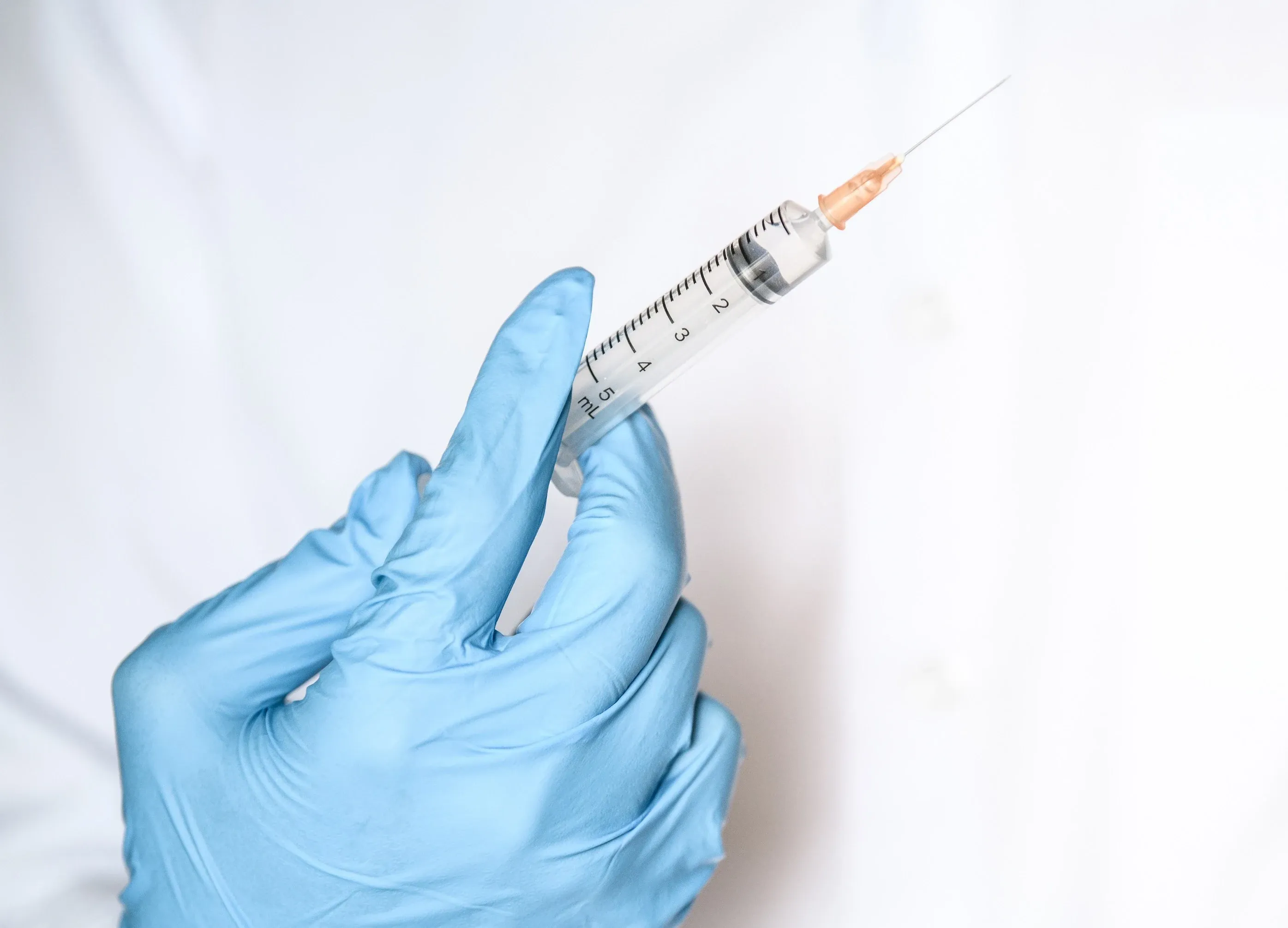
A joint steroid injection delivers a potent anti-inflammatory corticosteroid directly into the affected joint capsule, reducing swelling and pain at the source. Under ultrasound guidance, Dr. Reznikov ensures the medication reaches exactly where it's needed — maximizing effectiveness while minimizing systemic exposure. Many patients experience significant relief within days, allowing them to return to activities, participate in physical therapy, and regain the mobility that joint pain had taken away.

Intra-Articular Corticosteroid Therapy
A joint steroid injection — also called an intra-articular corticosteroid injection or cortisone shot — is a minimally invasive procedure that delivers a powerful anti-inflammatory medication directly into a joint space. The injection typically combines a corticosteroid (such as triamcinolone or methylprednisolone) with a local anesthetic for immediate comfort. Corticosteroids work by suppressing the inflammatory cascade within the joint, reducing the production of prostaglandins and cytokines that cause swelling, warmth, and pain.
At Pain Treatment Center of Maryland in Reisterstown, Dr. Reznikov performs all joint injections under real-time ultrasound guidance, a technique shown to significantly improve accuracy and outcomes compared to landmark-based (blind) injections. This image-guided approach allows Dr. Reznikov to visualize the joint capsule, surrounding tendons, and neurovascular structures — ensuring the medication is deposited precisely where it will have the greatest therapeutic effect. Common joints treated include the knee, hip, shoulder, wrist, ankle, and small joints of the hands and feet.

Proven Pain Relief

Most patients notice significant improvement within 3-7 days of injection
Image-guided placement ensures medication reaches the exact target for optimal results
Return to normal activities the same day with minimal post-procedure restrictions
Targeted delivery decreases reliance on systemic anti-inflammatories and their side effects
Reduced inflammation restores range of motion and supports participation in physical therapy
Compare Your Options
| Treatment | Mechanism | Time | Results | Duration | Downtime | Best For |
|---|---|---|---|---|---|---|
| Joint Steroid Injection | Corticosteroid reduces inflammation | 15-30 min | 3-7 days | Weeks to months | None | Acute flares and moderate arthritis |
| Viscosupplementation | Hyaluronic acid lubricates joint | 15-20 min | 4-6 weeks | Up to 6 months | None | Knee osteoarthritis with cartilage loss |
| Radiofrequency Ablation | Heat disrupts pain nerve signals | 30-60 min | 1-3 weeks | 6-12 months | 1-2 days | Chronic joint pain unresponsive to injections |

Candidacy and Considerations
Joint steroid injections are most effective for patients experiencing pain driven by inflammation within the joint capsule. Dr. Reznikov evaluates each patient's medical history, imaging, and physical exam findings to determine whether an intra-articular injection is the right approach.
Patients with diabetes can still be candidates with careful glucose monitoring and coordination with their primary care provider. Dr. Reznikov discusses all risks and benefits during your consultation.
Dr. Reznikov reviews your imaging, examines the joint, and confirms the injection site using ultrasound assessment.
Dr. Reznikov cleanses the skin with antiseptic and may apply a topical anesthetic or cold spray for surface comfort.
Dr. Reznikov positions the ultrasound probe to visualize the joint space and guides the needle in real time.
Dr. Reznikov delivers the corticosteroid and anesthetic combination directly into the joint capsule under continuous imaging.
Dr. Reznikov reviews aftercare instructions, including activity modifications for 24-48 hours and follow-up timing.

Risks and Precautions
Joint steroid injections are considered safe and well-tolerated when performed by an experienced, fellowship-trained specialist. However, as with any medical procedure, potential side effects exist.
Common side effects: Temporary soreness or swelling at the injection site (1-2 days), a brief "steroid flare" where pain increases before improving, and minor bruising. Patients with diabetes may experience a transient rise in blood glucose levels for 1-3 days following injection.
Less common risks: Skin depigmentation or fat atrophy at the injection site, tendon weakening if corticosteroid contacts nearby tendons, and temporary facial flushing. Infection is rare, particularly with proper sterile technique and ultrasound guidance.
Important considerations: Repeated injections into the same joint are generally limited to 3-4 per year to minimize the risk of cartilage deterioration. Dr. Reznikov carefully tracks injection frequency and discusses alternative approaches, such as viscosupplementation, when steroid injections become less effective or reach their annual limit.
The cost of a joint steroid injection at Pain Treatment Center of Maryland depends on the joint being treated and your individual insurance coverage. Joint steroid injections are a well-established medical procedure and are covered by most major insurance plans, including Medicare, when deemed medically necessary.
What affects your cost:
Our team verifies your insurance benefits before your appointment so you understand your expected out-of-pocket responsibility. For patients without insurance or those who prefer self-pay, we offer competitive cash pricing.
Financing available: We accept CareCredit to help make your treatment affordable with flexible monthly payment options.
To learn your specific cost, call (410) 833-1011 and our team will verify your benefits and provide a personalized estimate.

Reisterstown's Joint Pain Specialists
Every injection is performed under real-time imaging for superior precision and safety
Dual fellowship in interventional spine and musculoskeletal medicine
Injections integrated into a broader plan including therapy and lifestyle strategies
Thorough evaluation and individualized treatment plans tailored to your goals
Discover other treatments that complement your care plan
Answers to Your Questions
Dr. Reznikov can inject most accessible joints, including the knee, hip, shoulder, ankle, wrist, elbow, and small joints of the hands and feet. The specific approach depends on the joint's anatomy, which is why ultrasound guidance is used to ensure precision for every joint treated.
The local anesthetic included in the injection provides immediate temporary relief. The corticosteroid typically begins reducing inflammation within 2-3 days, with most patients experiencing full benefit by day 5-7. Some patients feel improvement sooner depending on the severity of inflammation.
Generally, Dr. Reznikov limits injections to 3-4 per joint per year to protect cartilage health. If you need more frequent relief, she may recommend alternative treatments such as viscosupplementation, radiofrequency ablation, or a physical therapy program to supplement injection therapy.
Yes. At Pain Treatment Center of Maryland, all joint injections are performed under real-time ultrasound guidance. Research shows ultrasound-guided injections are significantly more accurate than blind (landmark-based) injections, leading to better outcomes and fewer complications.
Risks are minimal and include temporary soreness, a brief steroid flare (1-2 days), minor bruising, and transient blood sugar elevation in diabetic patients. Serious complications such as infection are rare, especially with ultrasound guidance and sterile technique. Dr. Reznikov reviews all risks during your consultation.
Most patients report only mild discomfort. Dr. Reznikov uses ultrasound guidance to select the optimal needle path and includes a local anesthetic in the injection itself. Many patients describe the sensation as brief pressure rather than sharp pain. The entire procedure takes only 15-30 minutes.
Yes. Joint steroid injections do not require sedation, and most patients drive themselves to and from the appointment. You may experience temporary numbness in the joint area from the local anesthetic, which typically resolves within a few hours.
If relief is short-lived, Dr. Reznikov will reassess your condition and may recommend alternative approaches such as viscosupplementation for knee osteoarthritis, radiofrequency ablation for chronic joint pain, or a referral for surgical evaluation if conservative options have been exhausted.