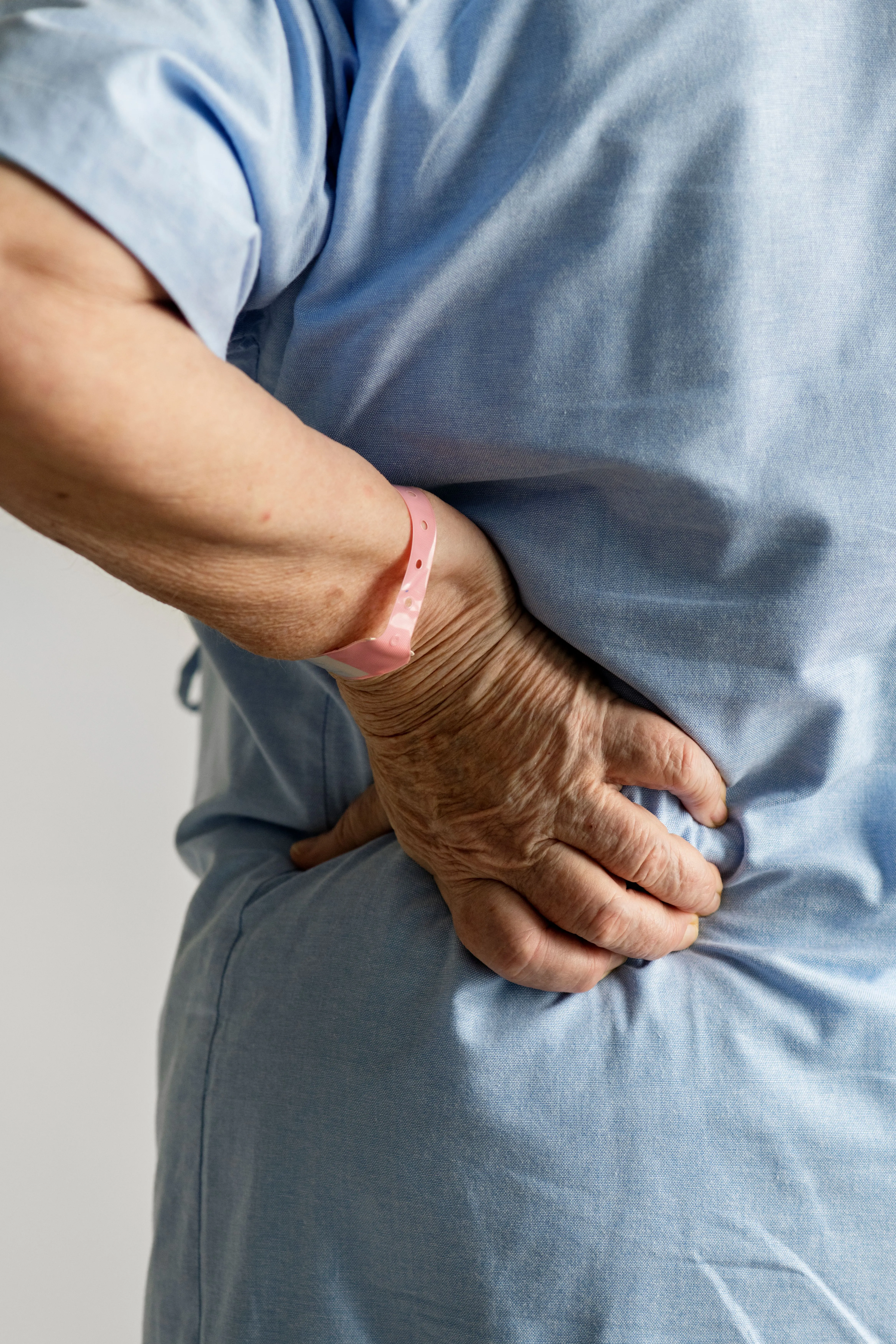



Hip Pain Treatment in Reisterstown, MD

Hip Pain Treatment in Reisterstown, MD

Board-certified pain management specialist Dr. Tatyana Reznikov provides targeted hip injections and advanced treatments to restore your mobility and comfort.

Common In:Adults 40+
Primary Causes:Bursitis, Arthritis, Injury
Treatment Time:15-30 minutes
Results:Days to 2 weeks
Why Hip Pain Shouldn't Be Ignored

Why Hip Pain Shouldn't Be Ignored

A Common Condition That Affects Every Aspect of Daily Life

Hip pain is one of the most common musculoskeletal complaints, affecting millions of Americans each year. Whether it presents as a dull ache deep in the groin, sharp pain along the outer hip, or stiffness that makes it difficult to climb stairs, hip pain can severely limit your ability to walk, sleep, exercise, and perform everyday activities.

The hip joint is the body's largest ball-and-socket joint, designed for both stability and a wide range of motion. When inflammation, degeneration, or injury disrupts this complex structure, the resulting pain can radiate to the thigh, buttock, or knee, making it difficult to pinpoint the exact source without professional evaluation. At Pain Treatment Center of Maryland in Reisterstown, Dr. Tatyana Reznikov uses a thorough diagnostic approach to identify the root cause of your hip pain and develop a targeted treatment plan.

What Leads to Hip Pain?

What Leads to Hip Pain?

Multiple Structures Can Contribute to Hip Discomfort

Hip pain can originate from the joint itself, the surrounding soft tissues, or referred sources such as the lower back or sacroiliac joint. Osteoarthritis is the leading cause in adults over 50, involving the gradual breakdown of cartilage that cushions the femoral head within the acetabulum. As cartilage thins, bone-on-bone contact produces pain, stiffness, and reduced range of motion.

Trochanteric bursitis, an inflammation of the fluid-filled sac overlying the greater trochanter, is another frequent cause of lateral hip pain. This condition is especially common in women and runners, often aggravated by repetitive motions or prolonged pressure on the affected side. Tendinopathy of the gluteus medius and minimus tendons frequently accompanies bursitis and contributes to pain with walking and side-lying.

Other causes include labral tears, hip impingement (femoroacetabular impingement), sacroiliac joint dysfunction that refers pain into the hip region, and myofascial trigger points in the surrounding musculature. Identifying the precise pain generator is essential for effective treatment.


The Impact of Untreated Hip Pain

The Impact of Untreated Hip Pain

How Chronic Hip Pain Affects Your Body and Quality of Life

When hip pain persists without treatment, patients often develop compensatory movement patterns that place abnormal stress on the lower back, opposite hip, and knees. This cascade of biomechanical dysfunction can lead to secondary pain conditions that complicate treatment and prolong recovery.

Chronic hip pain also has significant effects on mental health and overall well-being. Research shows that patients with persistent hip pain experience higher rates of sleep disturbance, reduced physical activity, and increased risk of depression. The inability to participate in exercise, hobbies, and social activities creates a cycle where inactivity worsens both the underlying condition and overall health.

Early intervention with targeted treatments such as joint injections, physical therapy, and activity modification can interrupt this cycle, reduce inflammation at the source, and preserve joint function before irreversible damage occurs.

What Causes Hip Pain?

What Causes Hip Pain?

Understanding the Underlying Mechanisms

01

Osteoarthritis

Progressive cartilage degeneration in the hip joint causes bone-on-bone friction, stiffness, and deep joint pain that worsens with weight-bearing activity.

02

Trochanteric Bursitis

Inflammation of the bursa on the outer hip produces sharp lateral pain, especially when lying on the affected side or climbing stairs.

03

Tendinopathy

Degeneration of the gluteus medius and minimus tendons causes weakness and pain during walking, often accompanying bursitis.

04

Labral Tears

Damage to the cartilage ring lining the hip socket creates catching, locking, or deep groin pain during rotation and flexion movements.

05

Sacroiliac Dysfunction

Dysfunction of the SI joint can refer pain into the buttock and lateral hip, mimicking primary hip pathology.

06

Myofascial Trigger Points

Tight, irritable bands in the gluteal and hip flexor muscles generate localized and referred pain patterns throughout the hip region.

Why Choose Pain Treatment Center of Maryland for Hip Pain

Why Choose Pain Treatment Center of Maryland for Hip Pain

Expert Interventional Pain Management in Reisterstown

  • Board-Certified PM&R Specialist
  • Precise Image-Guided Injections
  • Comprehensive Diagnosis First
  • Individualized Treatment Plans

Hip Pain Treatment Options

Compare Available Treatments at Our Reisterstown Clinic

Treatment Best For Session Time Results Timeline Maintenance
Joint Steroid Injection Osteoarthritis and deep joint inflammation 15-20 minutes 3-7 days for full effect Every 3-6 months as needed
Sacroiliac Joint Injection SI joint dysfunction referring pain to the hip 15-20 minutes 1-3 days Every 3-6 months as needed
Trigger Point Injections Myofascial pain in gluteal and hip muscles 10-15 minutes 24-72 hours As needed for flare-ups
Signs You May Need Hip Pain Treatment

Signs You May Need Hip Pain Treatment

Recognizing When It's Time to Seek Professional Help

  • Persistent Aching
  • Difficulty Walking
  • Sleep Disruption
  • Stiffness After Rest
  • Limited Range of Motion
  • Failed Home Remedies

Frequently Asked Questions About Hip Pain

01 What are the most common causes of hip pain?

The most common causes include osteoarthritis (cartilage wear), trochanteric bursitis (inflammation of the outer hip bursa), tendinopathy of the gluteal tendons, labral tears, and sacroiliac joint dysfunction that refers pain into the hip. Dr. Reznikov performs a thorough evaluation to identify your specific pain generator before recommending treatment.

02 Is a hip injection painful?

Most patients report only mild discomfort during hip injections. Dr. Reznikov uses local anesthetic to numb the skin before the procedure, and image guidance ensures precise needle placement, which minimizes unnecessary tissue disruption. Many patients describe the sensation as brief pressure rather than sharp pain.

03 How long does relief from a hip injection last?

Results vary depending on the underlying condition and type of injection. Corticosteroid injections for bursitis or joint inflammation typically provide relief lasting 3 to 6 months. Some patients experience longer-lasting improvement, especially when injections are combined with physical therapy and activity modification.

04 What is trochanteric bursitis and how is it treated?

Trochanteric bursitis is inflammation of the bursa, a fluid-filled cushioning sac, located over the bony prominence on the outer hip. It causes sharp lateral hip pain that worsens with walking, stair climbing, or lying on the affected side. Treatment at Pain Treatment Center of Maryland typically involves a corticosteroid injection into the bursa combined with guidance on stretching and activity modifications.

05 Do I need imaging before a hip injection?

In many cases, Dr. Reznikov will recommend X-rays or MRI to evaluate the hip joint and surrounding structures before proceeding with injections. Imaging helps confirm the diagnosis, rule out conditions that may require different treatment, and provides a baseline for tracking your progress over time.

06 Can hip pain be caused by a problem in my lower back?

Yes. Lumbar spine conditions such as herniated discs, spinal stenosis, or nerve root compression can refer pain into the hip, buttock, and thigh. This is why a comprehensive evaluation is essential. Dr. Reznikov assesses both the hip and the lumbar spine to ensure treatment targets the correct source.

07 What should I expect after a hip injection?

You may experience mild soreness at the injection site for 24 to 48 hours. Most patients can resume normal activities the same day with minor restrictions. The anti-inflammatory effects of a steroid injection typically develop over 3 to 7 days, with peak relief often felt within the first two weeks.

08 When should I see a specialist for hip pain?

You should seek professional evaluation if hip pain persists for more than two weeks, interferes with sleep or daily activities, causes you to limp, or has not responded to rest and over-the-counter pain relievers. Early treatment can prevent compensatory injuries and preserve joint function.

Recommended Add-Ons

Complementary Non-Invasive Therapies

Targeted strengthening of the glutes, hip stabilizers, and deep core can ease hip discomfort and improve mobility. Consider these complementary non-invasive therapies alongside our hip pain care.

Location116 Westminster Pike, Suite 106
Reisterstown, MD, 21136

Schedule Your Consultation

Scientific References